What Is Website Personalization? 11 Examples for 2026

Try Trengo for Free

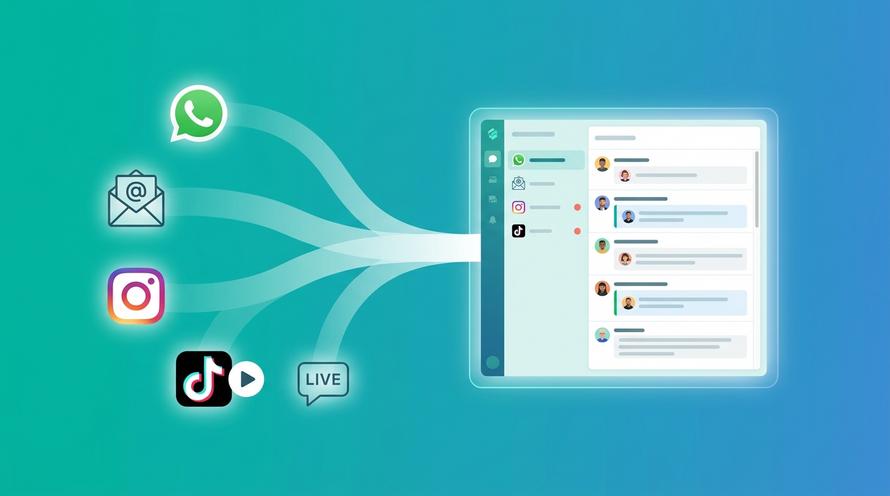
Trengo unites WhatsApp, email, web, social media, and calls in one inbox, saving your team hours of repetitive work and ensures no conversation is ever lost
What is Website Personalization? And Why It’s Non-Negotiable in 2026
Summary
This exploration of website personalization examples shows how tailoring digital experiences is essential for business success in 2026. By leveraging customer data to deliver dynamic content, personalized recommendations, and proactive support, you can significantly increase conversions and loyalty. The foundation of effective personalization lies in unified customer data, which platforms like Trengo provide by centralizing communication channels into one powerful inbox.
TL;DR
- The one-size-fits-all website is obsolete; customers now expect and reward personalized experiences.
- Website personalization involves using visitor data to tailor content, offers, and communication in real-time.
- Key types include dynamic content, behavioral pop-ups, personalized search, and proactive, contextual chatbots.
- Leading brands like Netflix, Amazon, and Spotify use deep data analysis to create hyper-relevant user journeys.
- An effective strategy requires clear goals, robust data collection, audience segmentation, and the right tools.
- Unifying customer communication with a platform like Trengo is crucial for creating a complete data profile to power personalization.
In 2026, the concept of a generic, one-size-fits-all website is a relic of the past. Your customers no longer tolerate it, and your bottom line can't afford it. With over 80% of consumers more likely to purchase from a brand that provides personalized experiences, the message is clear: adapt or be left behind. But modern personalization goes far beyond simply inserting a first name into an email. It's about tailoring the entire digital journey, making every interaction feel relevant, helpful, and uniquely designed for the individual visitor.
Website personalization is the real-time process of creating customized experiences for visitors to a website. Instead of providing a single, broad experience, personalization allows you to present unique content, product recommendations, offers, and communications based on user data. This data can include demographics, firmographics, on-site behavior, past purchase history, and device type. The "why" is simple and powerful: it directly impacts key business metrics. By making your website more relevant to each user, you can expect higher conversion rates, lower bounce rates, increased average order value (AOV), and the kind of long-term customer loyalty that builds enduring brands.
Key Types of Website Personalization
Understanding the different ways you can personalize your site provides a framework for building your strategy. These are the core levers you can pull to transform your user experience from generic to genuinely personal.
Dynamic Content and Product Recommendations
This is perhaps the most common form of personalization. It involves changing the content on a webpage—such as text, images, promotions, and calls-to-action (CTAs)—based on what you know about the visitor. For e-commerce sites, this extends to sophisticated product recommendation engines that suggest items based on a user's browsing history, past purchases, or even items they currently have in their cart.
Behavioral Triggers and Pop-ups
Personalization can also be reactive to a user's real-time behavior. These are known as behavioral triggers. For example, if a user is about to leave your site without making a purchase (a behavior known as exit-intent), you can trigger a personalized pop-up offering a 10% discount to encourage them to complete the transaction. Similarly, you can notify a returning visitor about new arrivals in a category they've previously viewed.
Personalized Search and Navigation
A frustrating search experience can quickly lead to a lost customer. Personalized search helps users find what they need faster by re-ordering search results based on their profile, preferences, or past behavior. If a customer frequently buys a specific brand, that brand's products can be prioritized in their search results, creating a smoother and more efficient journey.
Contextual Chatbots and Proactive Support
Modern personalization is conversational. Instead of a generic "How can I help you?" chatbot, you can deploy a proactive, context-aware assistant. Imagine a chatbot that greets a returning customer by name, references their recent order, and asks if they need help with that specific product. This transforms a simple support tool into a personal concierge, showing the customer that you know them and are ready to provide relevant help instantly.
11 Best Website Personalization Examples to Inspire Your Strategy
Theory is great, but seeing personalization in action is what sparks real innovation. Here are 11 examples from leading companies that demonstrate the power of a well-executed personalization strategy.
1. Netflix: The Gold Standard in Content Curation
Netflix’s success is built on hyper-personalization. Its algorithm analyzes your viewing history, ratings, and even the time of day you watch to curate a homepage that is entirely unique to you. It goes beyond just recommending shows; it even personalizes the thumbnail artwork for each title to appeal to your specific content preferences, proving how deep data analysis can create a uniquely compelling experience.
2. Amazon: The Master of Predictive Recommendations
Amazon is a powerhouse of e-commerce personalization. From the moment you land on its homepage, everything is tailored based on your past purchases, browsing history, and items in your cart. Features like "Frequently bought together" and "Inspired by your browsing history" are not just helpful suggestions; they are powerful, data-driven tools for increasing average order value and demonstrating a deep understanding of customer needs.
3. Spotify: Building an Emotional Connection Through Data
Spotify turns data into an emotional connection. Its personalized playlists, like "Discover Weekly" and the year-end "Wrapped," are celebrated cultural phenomena. By analyzing listening habits, Spotify doesn't just provide a music streaming utility; it acts as a personal DJ and friend that understands your taste, helping you discover new artists and creating a deeply loyal user base.
4. ASOS: Personalizing the E-commerce Journey
Fashion retailer ASOS uses customer data to refine the shopping experience. It tracks browsing history, saved items, and purchase data to recommend relevant products and "style fits." By understanding a shopper's preferences, ASOS can surface the most relevant items from its massive catalog, reducing friction and making the discovery process more enjoyable. This level of e-commerce personalization is crucial for fashion retailers.
5. Grammarly: A Smart Homepage for Every User Type
Grammarly, a SaaS company, excels at personalizing its homepage based on user status. A first-time visitor sees content focused on explaining the product's value and a CTA to install the extension. A logged-in, free user might see an offer to upgrade to premium, while a paying customer sees content related to advanced features. This ensures the message is always relevant to the user's specific stage in their journey.
6. HubSpot: Lifecycle-Aware Calls-to-Action
As a B2B marketing leader, HubSpot practices what it preaches. Its blog posts feature smart CTAs that change based on the visitor's profile. A new visitor might see a CTA to download a top-of-funnel ebook. A lead who has already downloaded that ebook will instead be shown a middle-of-funnel CTA, like an invitation to a webinar or a case study, gently guiding them through the marketing funnel.
7. Booking.com: Using Urgency and Location in Real-Time
Booking.com is a master of contextual personalization. It uses geo-targeting to show you relevant deals in your area or destination. More powerfully, it leverages real-time behavioral data to create a sense of urgency and social proof with messages like, "5 other people are looking at this hotel right now" or "In high demand!," encouraging faster booking decisions.
8. The Financial Times: A Personalized News Hub
For content-heavy sites, personalization is key to preventing information overload. The Financial Times' "myFT" feature allows readers to follow specific topics, journalists, or industries. This creates a customized news feed that prioritizes the content most relevant to each reader, increasing engagement and making the subscription feel more valuable.
9. Nike: A Members-First Personalized Experience
Nike uses its free membership program to gather valuable data and deliver a premium, personalized experience. Logged-in members get early access to product drops, personalized product recommendations based on their stated interests (e.g., running vs. basketball), and tailored content. This exclusivity makes customers feel valued and encourages them to share more data, creating a powerful feedback loop.
10. A B2B SaaS Website
Imagine a B2B software company that integrates with firmographic data tools. When a visitor from a company in the Finance industry lands on the homepage, the headline automatically changes from "The Best Software for Modern Businesses" to "The Best Software for Financial Services." The featured case studies also switch to showcase success stories from other banks, creating immediate relevance for the visitor.
11. Your Website with an AI Agent
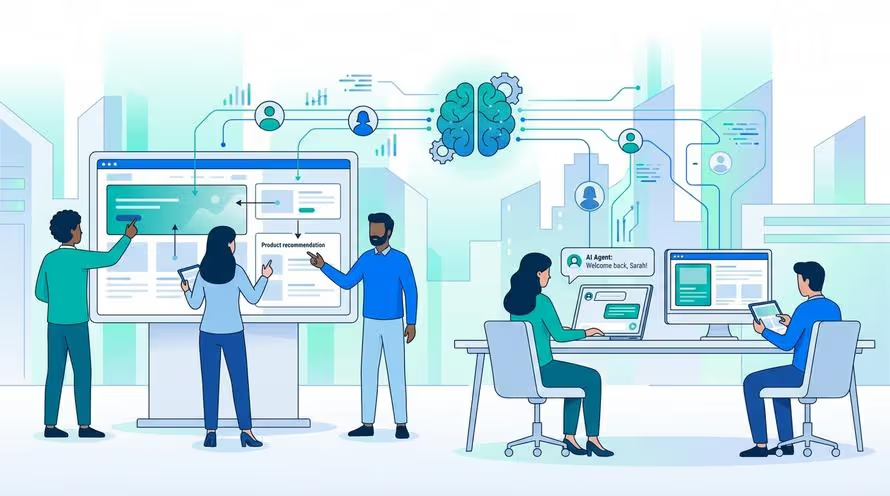
This is where personalization becomes proactive and conversational. Imagine a returning visitor lands on your pricing page. A chat widget powered by Trengo’s AI agent pops up: 'Welcome back, Sarah! I see you’re looking at our Pro plan again. Did you know it includes the advanced analytics feature you asked about last week?' This isn't just a chatbot; it's a personalized, context-aware sales assistant that uses past conversation history to provide hyper-relevant information and drive conversions.
How to Create Your Website Personalization Strategy
Inspired by the examples? Great. Now it's time to build your own strategy. Moving from inspiration to implementation requires a structured approach. Follow these steps to get started.
Step 1: Define Your Goal
Before you personalize anything, you need to know what you want to achieve. Are you trying to increase lead generation, boost e-commerce conversion rates, reduce cart abandonment, or improve customer satisfaction? Your goal will determine which tactics you prioritize.
Step 2: Collect the Right Data
Effective personalization runs on data. You need to collect information from various sources. This includes behavioral data (pages visited, time on site), contextual data (location, device type, traffic source), and historical data from your CRM or customer support platform (past purchases, support interactions).
Step 3: Segment Your Audience
You can't create a unique experience for every single visitor, but you can group them into meaningful segments. Common segments include new vs. returning visitors, high-value customers, geographic location, or visitors who have shown interest in a specific product category. Create segments that align with the goal you defined in Step 1.
Step 4: Choose Your Tools and Tactics
With your goals and segments in place, map them to the personalization types mentioned earlier. You'll need the right software stack, which typically includes personalization engines, A/B testing tools, and a unified customer communication platform. A shared inbox, for instance, is crucial for gathering the conversational data needed for personalized chat.
Step 5: Test, Measure, and Iterate
Personalization is not a set-it-and-forget-it activity. It's an ongoing process of optimization. Continuously A/B test your personalized experiences against a control version to measure their impact. Analyze the results, learn from them, and refine your strategy over time.
Unify Your Data for Smarter Personalization with Trengo
The best website personalization examples are all fueled by one thing: a complete, 360-degree view of the customer. When your customer data is fragmented across siloed tools—your email platform, your live chat software, your social media accounts—you create a disjointed experience. A customer might ask a question on WhatsApp and get a completely different, uninformed response from a chatbot on your website minutes later. This erodes trust and misses a huge opportunity.
Trengo solves this by unifying all your customer conversations into one central platform. The shared inbox becomes the single source of truth, collecting rich, conversational data from email, live chat, WhatsApp, and more. This unified customer profile is the key to unlocking truly powerful personalization. It allows your human agents to have full context and enables AI-powered automation to deliver proactive, relevant, and personal interactions on your website. By breaking down data silos, you can finally understand the full customer journey and learn exactly how to improve customer satisfaction at scale. A unified view doesn't just lead to better personalization; it leads to a better business.
Frequently Asked Questions

The primary benefits are a significantly improved customer experience, higher conversion rates, and increased customer loyalty. Personalization makes visitors feel understood and valued, which directly translates to better business outcomes and provides you with richer data insights.
For first-time visitors, you can use real-time contextual data. This includes their geographic location to show local offers, the traffic source they came from (e.g., a specific ad campaign), the type of device they are using, and their on-site behavior, like the pages they are viewing.
Yes, B2B personalization is highly effective. B2B companies can personalize website content based on the visitor's industry, company size, or even their specific role. For example, you can show different case studies to a visitor from a healthcare company versus one from the finance sector.
A typical personalization toolkit includes a Customer Data Platform (CDP) to consolidate user data, A/B testing and personalization engines to deploy experiences, and multichannel communication platforms like Trengo to unify conversational data and power personalized support and chat.


Let's meet
Grow your business with loyalty. Bring all of your customer contact into one, single platform to unlock delight at every step of the way.