Le marketing par e-mail pour le commerce électronique : le guide complet

Essaie Trengo gratuitement

Trengo rassemble WhatsApp, les e-mails, le web, les réseaux sociaux et les appels dans une seule boîte de réception, ce qui fait gagner à ton équipe des heures de boulot répétitif et garantit qu'aucune conversation ne se perd.
Voir Trengo en action
- Intégrations étendues
- Configuration facile
- Structure tarifaire évolutive
C'est quoi, le marketing par e-mail dans le commerce électronique ?
Résumé
Un marketing par e-mail efficace pour le commerce en ligne ne se limite pas à l'envoi massif de messages promotionnels ; il s'agit de créer un cycle de communication complet pour nourrir les prospects, convertir les clients et les fidéliser. En 2026, la véritable rentabilité ne réside pas seulement dans l'envoi de campagnes, mais dans la gestion efficace des échanges bidirectionnels qui en découlent. En regroupant toutes ces interactions avec les clients dans une seule boîte de réception, les marques peuvent transformer chaque réponse par e-mail en opportunité de vente ou en expérience client exceptionnelle, ce qui stimule directement le chiffre d'affaires et la fidélisation.
TL;DR
- Le marketing par e-mail dans le domaine du commerce électronique offre un retour sur investissement extrêmement élevé, dépassant souvent 40 $ pour chaque dollar dépensé.
- La clé du succès, c'est de bien gérer les échanges qui suivent les campagnes par e-mail, et pas seulement de les envoyer.
- Une stratégie efficace combine des e-mails automatisés (de bienvenue, en cas d'abandon de panier) et des campagnes manuelles (newsletters, promotions).
- La segmentation et la personnalisation sont essentielles pour envoyer des messages pertinents qui favorisent les conversions.
- L'utilisation d'une boîte de réception omnicanale comme Trengo permet de centraliser les réponses aux e-mails et celles provenant d'autres canaux, transformant ainsi les efforts marketing directement en ventes.
- Une liste de diffusion est un atout précieux qui t'appartient et qui n'est pas affecté par les changements d'algorithmes sur les autres plateformes.
Le marketing par e-mail pour le commerce électronique est un canal de communication direct que les entreprises en ligne utilisent pour cultiver leurs prospects, les convertir en clients et fidéliser leur clientèle existante grâce à des messages numériques ciblés et personnalisés. C'est bien plus sophistiqué que l'envoi de campagnes d'e-mails génériques. Une approche efficace repose sur les données : elle utilise le comportement des clients et leur historique d'achat pour envoyer le bon message au bon moment. Les principaux objectifs sont de générer du trafic vers ta boutique en ligne, de promouvoir des produits spécifiques, de fidéliser durablement ta clientèle et, au final, d'augmenter tes ventes. C'est un élément central de la plupart des stratégies marketing e-commerce qui réussissent, car ça te permet d'établir un lien direct avec ton public.
Pourquoi le marketing par e-mail est-il si important dans le commerce électronique ?
Le marketing par e-mail reste l'un des outils les plus puissants à la disposition des spécialistes du marketing e-commerce, et ce pour plusieurs raisons essentielles. Tout d'abord, son retour sur investissement est sans égal. En 2026, les études montrent systématiquement que pour chaque dollar dépensé en marketing par e-mail, les entreprises enregistrent un retour moyen de plus de 40 dollars. Cela en fait l'un des canaux marketing les plus rentables qui soient. Plus important encore, ta liste de diffusion est un actif qui t'appartient entièrement. Contrairement aux abonnés sur les réseaux sociaux ou au classement dans les moteurs de recherche, ta relation avec tes abonnés n'est pas soumise aux aléas d'un changement d'algorithme. Cet accès direct et sans filtre te permet de nouer des relations authentiques et durables avec tes clients, en renforçant la confiance et la fidélité qui porteront leurs fruits pendant des années.
Les avantages du marketing par e-mail pour les entreprises de commerce électronique
La mise en place d'une stratégie d'email marketing solide apporte des avantages concrets qui ont un impact direct sur les résultats financiers et la pérennité d'une entreprise de commerce électronique. Ces avantages vont bien au-delà de la simple communication : ils constituent un puissant moteur de croissance et d'engagement client.
- Augmentation des ventes et du chiffre d'affaires : l'e-mail est un moteur direct de conversions. En envoyant des promotions ciblées, des rappels de panier abandonné et des recommandations de produits personnalisées, tu peux guider tes clients directement vers la caisse et augmenter considérablement ton chiffre d'affaires global.
- Une meilleure fidélisation de la clientèle : Acquérir un nouveau client coûte bien plus cher que de fidéliser un client existant. Les e-mails de cycle de vie, tels que les séries de bienvenue, les relances après achat et les campagnes de réengagement, permettent à ta marque de rester présente à l'esprit des clients et encouragent les achats répétés.
- Une fidélité accrue à la marque : une communication cohérente et pertinente permet de tisser des liens solides avec ton public. En partageant du contenu utile, en célébrant les étapes importantes de tes clients et en leur proposant des avantages exclusifs par e-mail, tu leur donnes le sentiment d'être valorisés et tu renforces leur attachement à ta marque.
- Rentabilité : par rapport aux canaux publicitaires payants comme les publicités sur les réseaux sociaux ou le référencement payant, le marketing par e-mail présente un coût d'acquisition nettement inférieur. Une fois qu'un abonné figure dans ta liste, communiquer avec lui revient très peu cher.
- Une personnalisation puissante : les plateformes de messagerie modernes permettent une segmentation approfondie basée sur l'historique des achats, le comportement de navigation, les données démographiques et bien plus encore. Cela te permet d'envoyer des offres et du contenu très pertinents qui trouvent un écho auprès de chaque client, ce qui augmente considérablement les taux d'engagement et de conversion.
Quels sont les principaux types de marketing par e-mail pour le commerce électronique ?
Une stratégie de marketing par e-mail efficace dans le domaine du commerce électronique ne repose pas sur un seul type de message ; il s'agit d'un mélange savamment orchestré d'e-mails automatisés et déclenchés, et de campagnes de diffusion manuelles. Chacun d'entre eux remplit un rôle bien précis dans le parcours client, du premier message de bienvenue jusqu'au programme de fidélité à long terme.
E-mail de rappel en cas d'abandon du panier
Cet e-mail automatique est envoyé aux clients qui ajoutent des articles à leur panier mais quittent le site sans finaliser leur achat. Son but est de récupérer une vente qui, sans ça, serait perdue. Une bonne pratique consiste à envoyer une série de 2 ou 3 e-mails, souvent avec un petit rappel, et éventuellement une petite réduction dans le dernier e-mail pour les inciter à revenir.
E-mail de bienvenue
C'est la première impression que ta marque donne dans la boîte de réception d'un client, et c'est l'un des e-mails qui affiche les taux d'ouverture les plus élevés. Il doit confirmer son inscription, définir ses attentes pour les prochains e-mails et présenter la personnalité de la marque. Proposer une offre de bienvenue spéciale ou inclure un lien vers tes produits les plus vendus est un excellent moyen de susciter un premier achat immédiat.
E-mail de parrainage
Cet e-mail encourage tes clients satisfaits à devenir des ambassadeurs de ta marque. Il fonctionne généralement selon un principe de « donnant-donnant », où la personne qui recommande et le nouveau client reçoivent tous deux une réduction ou une récompense, ce qui crée un puissant moteur de marketing de bouche-à-oreille.
E-mail de témoignage
Miser sur la preuve sociale est essentiel pour gagner la confiance des acheteurs potentiels. Cet e-mail met en avant les meilleurs avis clients, du contenu généré par les utilisateurs ou des témoignages convaincants afin de rassurer les abonnés sur la qualité et la valeur de tes produits.
E-mail de relance
Cette campagne a pour but de reconquérir les abonnés inactifs qui n'ont pas ouvert ou cliqué sur tes e-mails depuis un certain temps. Un objet accrocheur et une incitation convaincante sont essentiels pour les encourager à s'intéresser à nouveau à ta marque.
Newsletter par e-mail
Les newsletters sont des communications régulières et programmées qui permettent à ta marque de rester présente dans l'esprit de tes clients. Elles sont idéales pour partager du contenu de qualité, des actualités de l'entreprise, des articles de blog et des sélections de produits, afin de fidéliser ton public même lorsqu'il n'est pas en train de faire ses achats.
E-mail promotionnel
Véritable moteur de ventes direct et efficace, cet e-mail propose une remise ou une promotion spécifique. Pour maximiser son impact, il est essentiel de recourir à la segmentation afin d'envoyer les offres les plus pertinentes aux bons groupes de clients, comme par exemple une remise sur une catégorie qu'ils ont déjà consultée.
E-mail commercial
Ce type d'e-mail sert à annoncer des événements promotionnels majeurs comme le Black Friday, une liquidation saisonnière ou des soldes de fin de saison. Il crée un sentiment d'urgence et génère un trafic et des ventes importants en peu de temps.
Offre spéciale fêtes
Ces campagnes tirent parti de l'intention d'achat accrue qui caractérise certaines fêtes comme Noël, la Saint-Valentin ou la Fête des Mères. Elles doivent être thématiques et adaptées à l'occasion pour capter l'esprit festif et les dépenses qui y sont associées.
E-mail d'anniversaire
Un e-mail d'anniversaire est un moyen très efficace de personnalisation qui permet aux clients de se sentir privilégiés. Envoyer un cadeau unique, comme une réduction spéciale ou un article gratuit, le jour de l'anniversaire d'un client peut considérablement renforcer sa fidélité et l'inciter à faire un achat pour fêter l'événement.
E-mail d'anniversaire
Cet e-mail célèbre l'anniversaire du premier achat ou de l'inscription d'un client. C'est un excellent moyen de le remercier pour sa fidélité et tu peux y associer une offre spéciale pour l'inciter à fêter ça en effectuant un nouvel achat.
E-mail de produits recommandés
En s'appuyant sur l'historique d'achat et le comportement de navigation d'un client, cet e-mail automatisé propose des ventes croisées et incitatives d'articles très pertinents. C'est un moyen efficace d'augmenter le montant moyen des commandes en présentant aux clients des produits qu'ils ont vraiment de fortes chances d'apprécier.
E-mail d'annonce d'un nouveau produit
Cet e-mail a pour but de susciter l'enthousiasme et de stimuler les premières ventes des nouveaux arrivages. Il peut être envoyé sous forme de campagne teaser pour créer le buzz ou comme annonce directe dès que le produit est disponible, souvent accompagné d'une offre exclusive d'accès anticipé réservée aux abonnés.
E-mail de retour en stock
Ce message, un e-mail automatisé simple mais très efficace, informe les clients dès qu'un article qui les intéressait est à nouveau disponible. Il permet de récupérer les ventes perdues auprès de clients qui étaient prêts à acheter mais n'ont pas pu le faire en raison d'un problème de stock.
E-mail de confirmation de commande
Les e-mails transactionnels, comme l'e-mail de confirmation de commande, affichent des taux d'ouverture exceptionnellement élevés, car les clients ont hâte de les lire. Si leur objectif premier est de rassurer le client sur le bon déroulement de sa commande, ils constituent également une excellente opportunité marketing pour inclure des liens vers des produits connexes, tes réseaux sociaux ou un programme de parrainage.
E-mail de confirmation d'expédition
Autre e-mail transactionnel suscitant un très fort engagement, l'e-mail de confirmation d'expédition suscite l'enthousiasme à l'idée de l'arrivée du produit. Il fournit des informations essentielles sur le suivi de la commande et rassure le client, renforçant ainsi une expérience post-achat positive.
E-mail de remerciement
Envoyé après un achat, cet e-mail va au-delà d'un simple reçu pour exprimer une réelle gratitude. Il conforte le client dans sa décision de t'avoir choisi et peut servir à lui fournir des informations utiles sur son nouveau produit ou à lui demander son avis.
E-mail de demande d'évaluation
Recueillir des témoignages clients est essentiel pour réussir dans le commerce en ligne. Cet e-mail invite les clients à laisser un avis sur leur dernier achat. Le meilleur moment pour l'envoyer, c'est une fois que le produit a été livré et que le client a eu le temps de l'utiliser.
E-mail d'enquête
Cet e-mail sert à recueillir les précieux commentaires des clients sur les produits, les services ou l'expérience d'achat dans son ensemble. Les informations tirées de ces enquêtes peuvent être utilisées pour apporter des améliorations significatives à ton entreprise et à ton offre de produits.
Stratégies de campagne de marketing par e-mail pour le commerce électronique
Pour vraiment réussir dans le marketing par e-mail en 2026, il ne suffit pas de se contenter d'envoyer des campagnes. L'objectif est de mettre en place un système de communication cohérent, facile à gérer et rentable. Il ne s'agit pas d'un simple envoi massif à sens unique, mais plutôt de maîtriser l'ensemble du cycle de conversation bidirectionnel qui s'ensuit.
Maîtrise de la segmentation et de la personnalisation
Les campagnes d'e-mails génériques, c'est du passé. En 2026, les clients attendent et exigent de la pertinence. Une segmentation efficace est la base d'une stratégie réussie. Tu devrais regrouper ton audience en fonction de divers critères, notamment l'historique d'achat (par exemple, clients VIP, acheteurs ponctuels), le comportement de navigation (par exemple, consultation d'une catégorie spécifique), les informations démographiques comme la localisation, et le niveau d'engagement (par exemple, très engagé vs inactif). Cela te permet d'envoyer du contenu et des offres personnalisés qui donnent l'impression d'avoir été conçus spécialement pour eux, ce qui se traduit par des taux d'ouverture, des taux de clics et des conversions plus élevés.
Automatise le parcours de tes clients
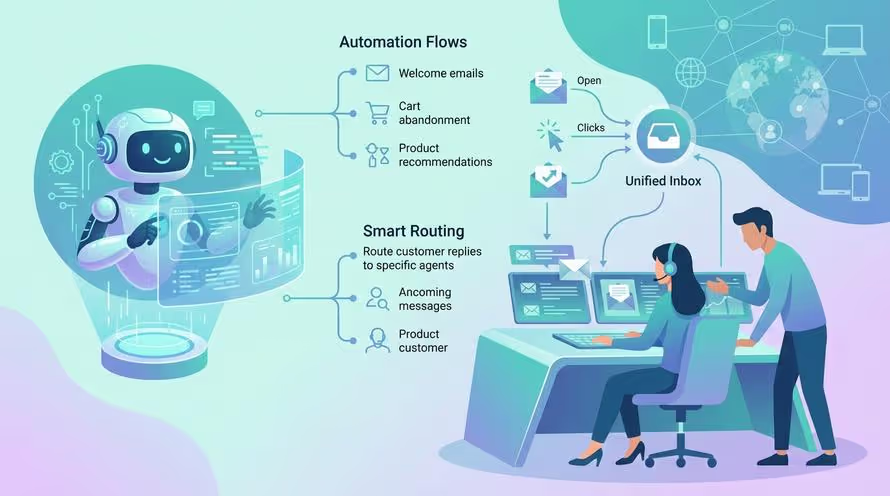
L'automatisation est la clé pour accompagner tes clients 24 h/24 et 7 j/7 sans intervention manuelle. En configurant des flux d'e-mails automatisés, tu peux envoyer des messages opportuns et adaptés au contexte à des moments clés du cycle de vie du client. Les parcours automatisés indispensables pour toute boutique en ligne comprennent une série d'e-mails de bienvenue pour accueillir les nouveaux abonnés, un flux dédié aux paniers abandonnés pour récupérer les ventes perdues, et une série post-achat pour remercier les clients, leur demander des avis et leur suggérer des produits complémentaires. Ces flux fonctionnent sans relâche en arrière-plan pour établir des relations et générer du chiffre d'affaires.
Harmonise tes communications marketing et d'assistance
C'est là que réside le plus grand défi et la plus grande opportunité du marketing par e-mail dans le commerce électronique moderne. Un client reçoit un superbe e-mail promotionnel, mais il a une question. Il clique sur « Répondre » et demande : « Est-ce que ça existe en bleu ? » ou « Mon code de réduction ne marche pas ! » Où va cette réponse cruciale ? Trop souvent, elle atterrit dans une boîte de réception « marketing@ » non surveillée ou se perd dans un compte général encombré. Ces frictions nuisent aux ventes et créent une mauvaise expérience client. La solution consiste à briser ces silos. La boîte de réception omnicanale de Trengo résout ce problème en centralisant toutes ces réponses par e-mail aux côtés des conversations issues du chat de ton site web, de WhatsApp et des réseaux sociaux. Lorsqu’une réponse arrive, ton équipe marketing peut la voir, taguer instantanément un commercial ou un agent du service client, et garantir une réponse ultra-rapide. Cela transforme une simple réponse par e-mail en une vente conclue ou en une interaction positive avec le service client, en toute fluidité.
Donne à ton équipe les moyens de gérer les réponses aux e-mails à grande échelle
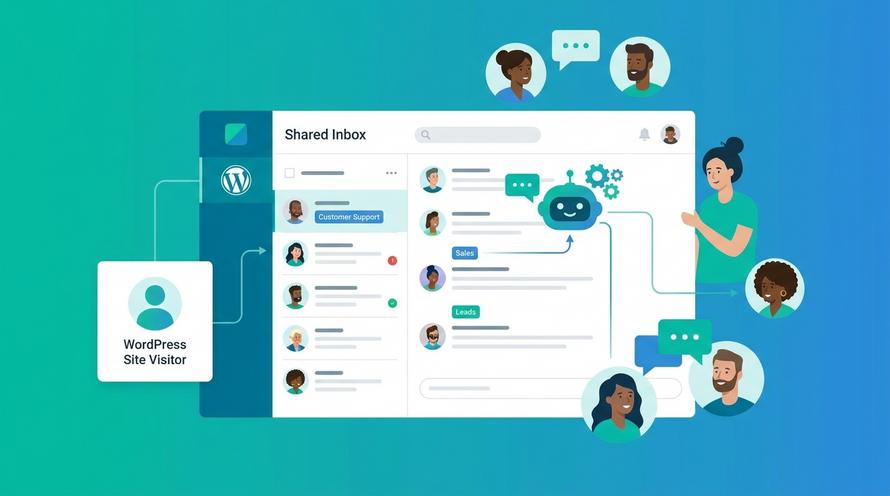
Lorsque tes campagnes par e-mail ont du succès, le nombre de réponses augmente considérablement. Un client de messagerie classique comme Gmail ou Outlook n'est pas conçu pour gérer efficacement cet afflux. C'est là qu'une solution de boîte de réception partagée devient indispensable. Elle permet à toute ton équipe de collaborer sur les conversations avec les clients à partir d'une vue unique et centralisée. Tu peux facilement voir qui travaille sur quoi, attribuer les conversations à la bonne personne et utiliser des notes internes pour discuter de problèmes complexes sans semer la confusion chez le client.
Pour en savoir plus sur les détails, tu peux lire notre article sur la façon d'utiliser un seul compte de messagerie avec plusieurs utilisateurs. En utilisant une plateforme comme Omnichannel Inbox, tu permets à ton équipe d'offrir un service rapide, cohérent et de grande qualité, quel que soit le nombre de réponses générées par tes campagnes marketing.
Questions qu'on nous pose souvent

Oui, le marketing par e-mail est extrêmement rentable. Il offre systématiquement l'un des meilleurs retours sur investissement parmi tous les canaux marketing, de nombreuses études indiquant un retour moyen de plus de 40 € pour chaque euro dépensé. Comme tu es propriétaire de ta liste de diffusion, la valeur à long terme et l'accès direct aux clients sont immenses par rapport aux canaux payants, où tu loues en quelque sorte une audience.
Le coût du marketing par e-mail varie considérablement en fonction de facteurs tels que le fournisseur de services de messagerie (ESP) que tu choisis, la taille de ta liste d'abonnés et le volume d'e-mails que tu envoies chaque mois. De nombreuses plateformes proposent des formules gratuites pour les petites entreprises qui se lancent, tandis que les outils professionnels destinés aux entreprises plus importantes peuvent coûter entre 20 € et plusieurs centaines d'euros par mois. Il faut y voir un investissement qui génère un retour sur investissement très élevé.
Le marketing par e-mail est efficace car il s'agit d'un canal de communication direct, personnalisé et fondé sur le consentement. Il permet une personnalisation et une segmentation poussées, est très rentable et offre un retour sur investissement élevé et avéré. Contrairement aux réseaux sociaux, tu as un accès direct à la boîte de réception de ton public, ce qui te permet de nouer des relations clients plus solides et durables.
Il n'y a pas de « moment idéal » unique pour envoyer des e-mails marketing qui convienne à toutes les entreprises. Le moment optimal dépend entièrement de ton public et de ses habitudes. La meilleure stratégie consiste à tester différents jours et différentes heures, puis à analyser tes propres données pour déterminer à quel moment tu obtiens les taux d'ouverture et de clics les plus élevés. Même si de nombreuses études générales indiquent que ce serait en milieu de semaine le matin, tu ne devrais utiliser ces résultats que comme point de départ pour tes propres tests.
Plus de détails


Rencontrons-nous
Développe ton activité grâce à la fidélisation. Rassemble tous tes contacts avec les clients sur une seule et même plateforme pour débloquer l'enchantement à chaque étape.