Retail Loyalty Programs: Types, Benefits & Examples

Try Trengo for Free

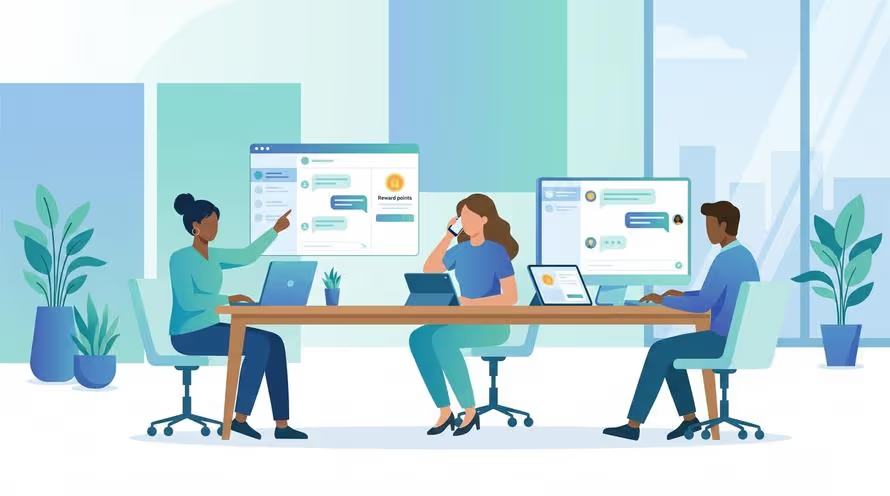
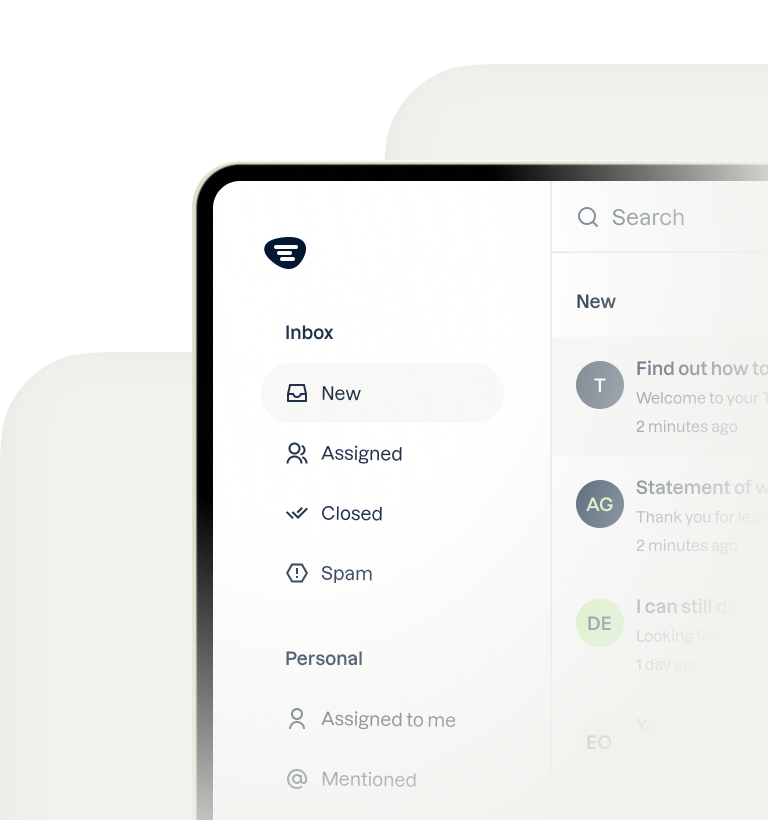
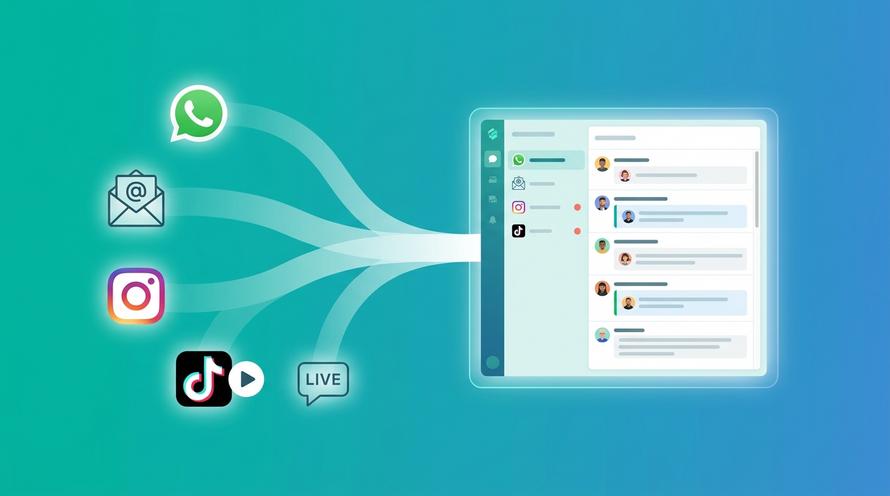
Trengo unites WhatsApp, email, web, social media, and calls in one inbox, saving your team hours of repetitive work and ensures no conversation is ever lost
What Are Loyalty Programs in Retail?
In 2026, the retail landscape is more competitive than ever, with studies showing it can cost up to seven times more to acquire a new customer than to retain an existing one. This stark reality places a huge emphasis on building lasting relationships. This is where retail loyalty programs become a strategic imperative, not just a marketing nice-to-have. The difference between a program that simply gives away discounts and one that genuinely builds loyalty lies in communication. A great program is built on a foundation of seamless, personalized, and timely interactions. It anticipates customer needs, answers questions instantly, and makes members feel truly valued, all of which requires a powerful, unified communication platform to manage every touchpoint.
Summary
Customer loyalty programs in retail are strategic marketing frameworks designed to reward repeat customers and encourage long-term business. These programs have evolved from simple punch cards into sophisticated, data-driven systems that increase customer retention, boost sales, and gather valuable first-party data. Building a successful program in 2026 requires clear goals, a deep understanding of your customers, and a unified multichannel communication platform like Trengo to manage member interactions seamlessly across channels like WhatsApp, email, and live chat.
TL;DR
- Customer loyalty programs are essential for retail success, directly impacting retention and profitability.
- Key benefits include increased customer lifetime value (LTV), higher average order value (AOV), valuable data collection, and organic word-of-mouth marketing.
- Common types of programs are points-based, tiered, paid/VIP, value-based, and hybrid models.
- Building a successful program involves defining goals, understanding customers, designing simple rewards, and unifying communication.
- A multichannel communication platform is critical for managing member inquiries, sending personalized offers, and automating support for a modern loyalty experience.
What are the benefits of customer retail loyalty programs?
A well-executed loyalty program is far more than a discount system; it's a powerful engine for sustainable growth. By creating a formal structure to recognize and reward your best customers, you can unlock a wide range of tangible business benefits that directly impact your bottom line. These programs foster a deeper connection that turns casual shoppers into dedicated brand advocates.
Increase Customer Retention and Lifetime Value LTV
The core benefit of any retail loyalty program is improved customer retention. By rewarding repeat purchases, you give customers a compelling reason to choose your brand over competitors. This consistency drastically reduces churn and increases the total amount a customer spends with your business over their lifetime, a metric known as Customer Lifetime Value (LTV). A loyal customer who feels valued is more likely to stick around, making small, frequent purchases that add up to significant long-term revenue.
Boost Sales and Average Order Value AOV
Loyalty programs are incredibly effective at encouraging customers to spend more per transaction. Strategies like offering bonus points for spending above a certain threshold or providing free shipping to members of a higher tier incentivize customers to add more items to their cart. This directly increases the Average Order Value (AOV). Exclusive member-only sales and early access to new products also create a sense of urgency and exclusivity, driving immediate sales spikes.
Gather Valuable First-Party Customer Data
In an era of increasing data privacy regulations and the decline of third-party cookies, first-party data is more valuable than ever. Loyalty programs are a transparent and effective way to collect this information directly from your customers. By tracking purchase history, frequency, and product preferences, you gain deep insights into their behavior. This data is gold for personalizing marketing campaigns, tailoring product recommendations, and making smarter inventory decisions.
Create Brand Advocates and Drive Word-of-Mouth
Happy customers who are consistently rewarded for their loyalty don't keep it to themselves. They become your most effective and authentic marketing channel. A great loyalty program gives them something positive to talk about, leading to powerful word-of-mouth referrals. When a member shares their exclusive discount or positive experience with friends and family, it serves as a trusted endorsement that advertising simply can't buy.
Every conversation in one inbox
Bring email, WhatsApp, social, and voice together so your team replies faster — without switching tabs.
What are the Different Types of Loyalty Programs?
Not all loyalty programs are created equal. The best structure for your business depends on your customer base, product type, and overall brand strategy. Understanding the most common models is the first step toward choosing the right fit for your retail operation.
The Points-Based Program The Classic
This is the most straightforward and popular model. Customers earn points for every dollar spent, which they can later redeem for rewards like discounts, free products, or special perks. Its simplicity is its strength; it's easy for customers to understand and for businesses to implement. A local coffee shop offering a free drink after ten purchases is a classic example of a simple points-based system.
The Tiered Program The Gamifier
Tiered programs create an aspirational path for customers. Members unlock more valuable benefits and a higher status as they spend more. This model leverages gamification, making customers feel like they are progressing and achieving something. The most famous example is Sephora's Beauty Insider program, with its VIB and Rouge tiers offering increasingly exclusive rewards, early access, and better point multipliers, encouraging customers to climb the loyalty ladder.
The Paid/VIP Program The Exclusivity Play
In this model, customers pay a recurring fee (monthly or annually) for instant access to a suite of premium benefits. The prime example is Amazon Prime. The psychology here is powerful; once a customer has paid the fee, they are highly motivated to shop more frequently to "get their money's worth." These programs work best for brands that can offer significant value in convenience, shipping, or exclusive content.
The Value-Based Program The Community Builder
This program type connects with customers on an emotional level by aligning with their values. Instead of purely transactional rewards, the brand might donate a percentage of a member's purchase to a charity or contribute to environmental causes. Patagonia's initiatives and commitment to activism are a form of value-based loyalty, building a fierce community around shared principles, not just products.
The Hybrid Program The Best of Both Worlds
Many of the most successful retail loyalty programs today are hybrids, combining elements from multiple models. Starbucks Rewards is a perfect example. It uses a points-based system (Stars) for earning rewards, but also incorporates tiers and personalized challenges that gamify the experience and provide additional value, creating a highly engaging and effective ecosystem.
How do retailers build customer loyalty programs?
Creating a retail loyalty program that customers love is a methodical process. It requires a clear strategy that aligns with your business objectives and a deep understanding of your customers' desires. Follow these steps to build a program that not only rewards but truly retains.
Step 1: Define Your Goals and Key Metrics
Before you design anything, you must define what success looks like. What do you want your loyalty program to achieve? Are you aiming to increase your repeat purchase rate by 15%? Do you want to boost your Average Order Value by 10%? Setting specific, measurable goals (KPIs) will guide every decision you make, from the reward structure to your communication strategy.
Step 2: Understand Your Customers and Choose the Right Program
Use your existing customer data to inform your program's design. Analyze their purchase frequency, what they buy, and how much they spend. Are your customers motivated by discounts, or would they prefer exclusive access and status? This analysis will help you choose the right model, whether it’s a simple points system for frequent, low-cost purchases or a tiered program for a more aspirational brand.
Step 3: Design a Simple and Valuable Rewards Structure
Complexity is the enemy of a good loyalty program. The rules for earning and redeeming rewards must be crystal clear and easy to understand. More importantly, the rewards themselves must be valuable and desirable to your audience. Offer a compelling mix of rewards, such as product discounts, free merchandise, early access to new collections, or exclusive experiences that money can't buy.
Step 4: Unify Your Communication with a Multichannel Platform
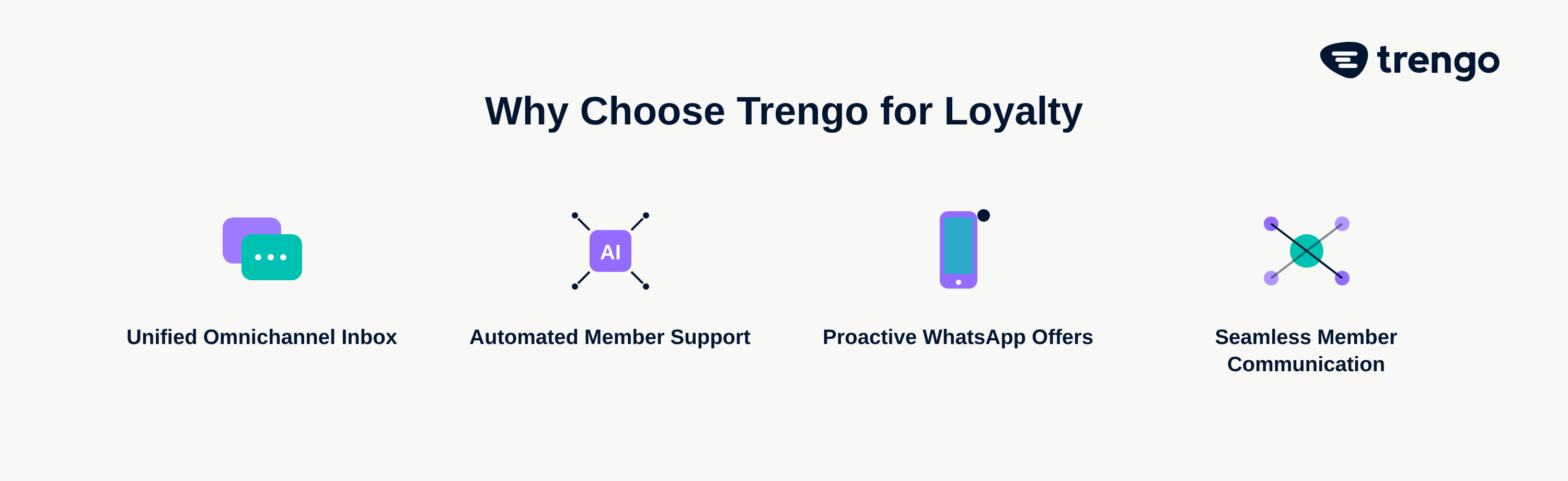
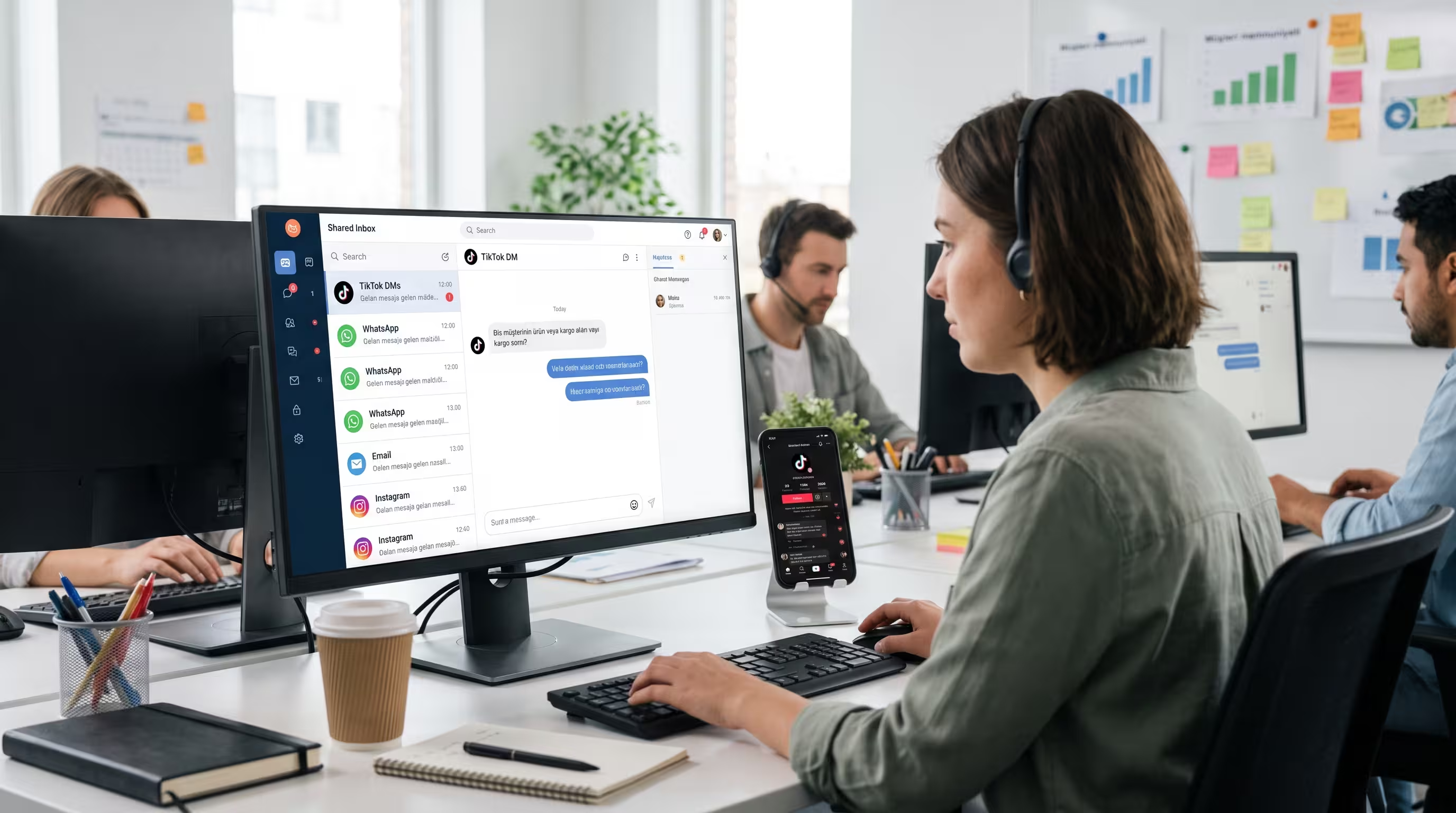
This is the step that separates mediocre programs from exceptional ones in 2026. A modern customer expects to communicate on their terms. A loyalty member might ask about their points balance on WhatsApp, redeem an offer from an email, and need live chat support on your website to resolve an issue. Without a central hub, these conversations are siloed, forcing customers to repeat themselves and creating a frustrating experience. A tool like Trengo is essential. With Trengo's Omnichannel inbox, your team can manage all loyalty program inquiries from a single view, seeing the full customer history regardless of the channel. You can set up automation and rules to instantly answer common questions like "How many points do I have?" 24/7. Furthermore, you can send personalized, automated reward notifications and special offers via WhatsApp or SMS, achieving open rates of over 90% and ensuring your messages are actually seen.
Step 5: Launch and Promote Your Program Everywhere
A brilliant program is useless if nobody knows it exists. Plan a comprehensive launch campaign to promote it across all your channels. Announce it in-store with signage, feature it prominently on your website's homepage, send a dedicated email blast to your existing customers, and create buzz on social media. A strong launch is a critical part of your overall Customer engagement strategy. Be prepared for an influx of questions during this period; a platform like Trengo can help you manage the volume efficiently without overwhelming your support team.
Juggling messages across five apps?
Trengo unifies every channel in one shared inbox.
3 Examples of the Best Retail Loyalty Programs in 2026
Studying the most successful retail loyalty programs reveals common themes: they are personalized, offer value beyond discounts, and provide a seamless, integrated experience. These brands have mastered the art of making their customers feel special.
Starbucks Rewards: The Master of Mobile-First Personalization
Starbucks has created one of the most effective loyalty programs by integrating it flawlessly into their mobile app. The program is more than a digital punch card; it's a personalized engagement engine. Starbucks uses purchase data to send tailored "challenges" and bonus offers to individual users, gamifying the coffee-buying experience and encouraging more frequent visits and higher spend.
Nike Membership: More Than Just Points
Nike's free membership program demonstrates a brilliant understanding of its community. Instead of focusing solely on transactional rewards, Nike provides immense value through exclusive content and experiences. Members get first access to limited-edition product drops, guided workouts via the Nike Training Club app, and invitations to community events. Nike has built a lifestyle ecosystem where the loyalty program is the key to unlocking the full brand experience.
Chewy's Autoship: The Ultimate Convenience Loyalty
While not a traditional points program, Chewy's "Autoship & Save" feature is a powerful form of loyalty built on convenience. Customers who subscribe to receive pet supplies on a regular schedule are rewarded with a consistent discount. This model brilliantly locks customers into the Chewy ecosystem, removing the need for them to even think about shopping with a competitor. It rewards repeat behavior with the ultimate perks: saving time and money.
Frequently Asked Questions

The five levels, often called the loyalty ladder, describe a customer's journey with a brand: Suspect (aware of the brand), Prospect (interested), Customer (made a first purchase), Client (makes repeat purchases), and Advocate (actively promotes the brand). The primary goal of a loyalty program is to systematically move individuals from Customer to Advocate.
Great examples of customer loyalty programs include points-based systems like Starbucks Rewards, tiered programs such as Sephora's Beauty Insider, paid VIP clubs like Amazon Prime, and community-focused programs like Nike Membership. Many successful programs are hybrids, combining elements from several different types to create a unique experience.
The "best" program always depends on the specific business and its customer base, but top-tier programs from brands like Sephora, Nike, and Starbucks share common traits. They offer genuine value, personalize the customer experience, use technology to create a seamless mobile-first journey, and build a sense of community and exclusivity that goes beyond simple discounts.


Let's meet
Grow your business with loyalty. Bring all of your customer contact into one, single platform to unlock delight at every step of the way.