Qu'est-ce que le marketing B2B ? Stratégies et exemples (2026)


Essaie Trengo gratuitement

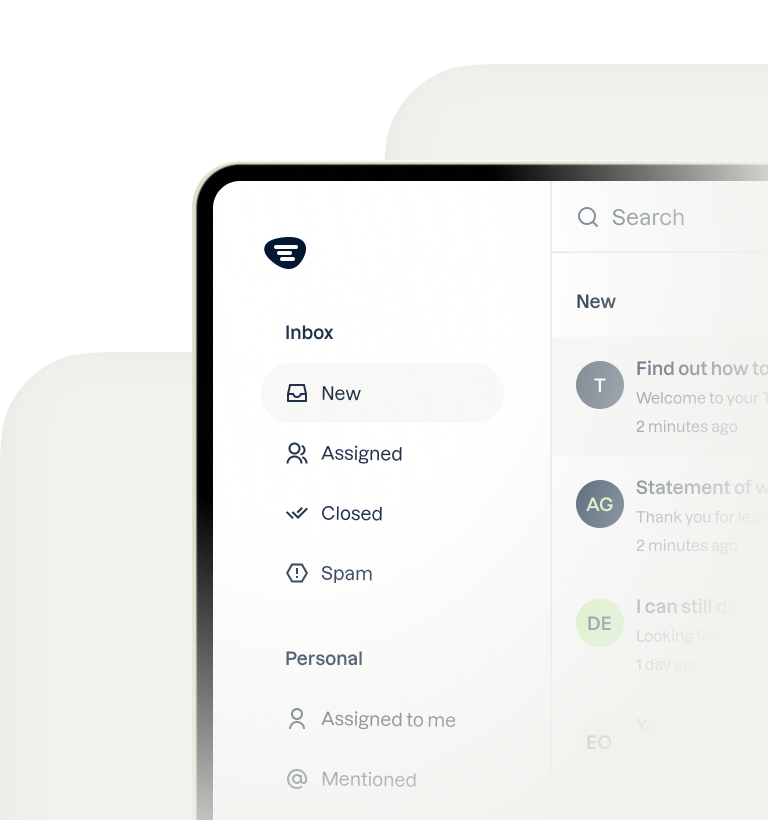
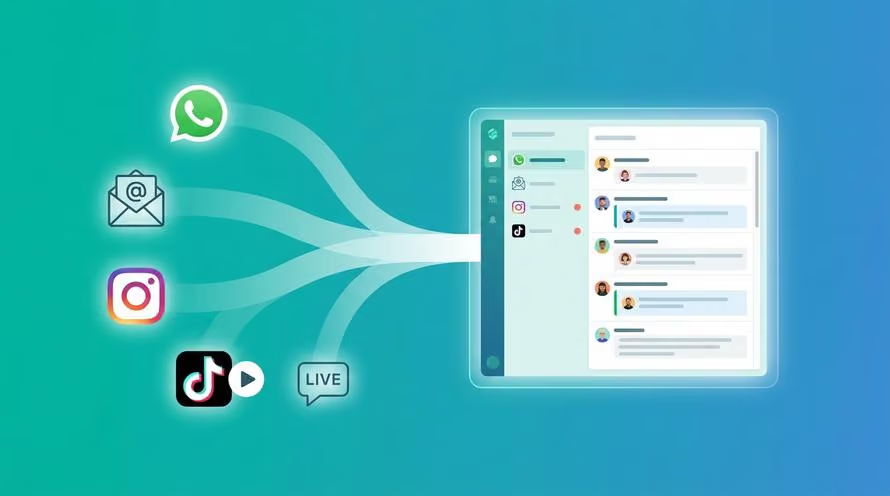
Trengo rassemble WhatsApp, les e-mails, le web, les réseaux sociaux et les appels dans une seule boîte de réception, ce qui fait gagner à ton équipe des heures de boulot répétitif et garantit qu'aucune conversation ne se perd.
Voir Trengo en action
- Intégrations étendues
- Configuration facile
- Structure tarifaire évolutive
C'est quoi, le marketing B2B ?
Résumé
En 2026, le marketing B2B désigne le processus complexe de vente de produits ou de services d'une entreprise à une autre, une approche qui se distingue du marketing grand public. Ça demande des stratégies spécialisées axées sur la valeur à long terme, l'établissement de relations et la prise en compte des besoins concrets de multiples parties prenantes. Un marketing B2B efficace s'appuie sur des canaux numériques comme le référencement naturel (SEO), le marketing de contenu et la prospection ciblée, qui peuvent tous être optimisés grâce à des plateformes de communication multicanal pour gérer des cycles de vente complexes et améliorer la conversion des prospects.
TL;DR
- Le marketing B2B s'adresse à d'autres entreprises, ce qui implique des cycles de vente plus longs et une prise de décision rationnelle, fondée sur des données.
- Parmi les stratégies B2B clés pour 2026, on trouve le marketing de contenu, le référencement naturel (SEO), le marketing par compte (ABM) et les campagnes d'e-mails personnalisées.
- Le commerce électronique B2B et le service client sont essentiels pour offrir une expérience fluide et professionnelle et pour établir des relations durables.
- Contrairement au marketing B2C, le marketing B2B vise à instaurer un climat de confiance et à démontrer le retour sur investissement auprès des différentes parties prenantes au sein d'une organisation.
- Les outils modernes, comme les boîtes de réception partagées et l'automatisation par l'IA, sont indispensables pour gérer les prospects sur plusieurs canaux et améliorer les délais de réponse.
C'est quoi, le marketing B2B ?
Le marketing B2B, qui signifie « business-to-business », désigne la pratique consistant à commercialiser et à vendre des produits ou des services d'une entreprise à une autre. L'acronyme B2B met en évidence sa fonction principale : au lieu de s'adresser à des consommateurs individuels, les spécialistes du marketing B2B ciblent des organisations, qui peuvent aller de petites start-ups à de grandes entreprises. L'objectif principal du marketing B2B est de fournir à d'autres entreprises les outils, les ressources ou les fournitures dont elles ont besoin pour fonctionner, se développer ou améliorer leurs propres offres. Cette distinction est essentielle, car les décisions d'achat des entreprises sont généralement motivées par la logique, le bon sens financier et le retour sur investissement (ROI) potentiel, plutôt que par l'émotion ou l'impulsion. Dans l'économie numérique interconnectée d'aujourd'hui, il est plus important que jamais de comprendre ce qu'est le marketing B2B, car les entreprises s'appuient sur un réseau complexe de partenaires et de fournisseurs pour réussir.
C'est quoi, le commerce électronique B2B ?
Le commerce électronique B2B désigne les transactions en ligne de biens ou de services entre entreprises. À mesure que la transformation numérique s'accélère, de plus en plus d'achats B2B sont passés des méthodes traditionnelles, comme les appels commerciaux et les catalogues papier, à des plateformes en ligne sophistiquées. Contrairement au commerce électronique grand public, les plateformes B2B doivent gérer des complexités spécifiques, telles que des tarifs variables selon les clients, la gestion de commandes en gros et l'intégration avec les systèmes d'approvisionnement ou ERP d'une entreprise. Un élément crucial consiste à proposer des options de libre-service robustes, permettant aux clients professionnels de gérer leurs comptes, de passer de nouvelles commandes et de suivre leurs expéditions sans avoir à contacter un représentant à chaque fois. À mesure que cette tendance se développe, il est essentiel d'améliorer ton expérience client e-commerce avec Trengo pour répondre aux attentes professionnelles. Pour ceux qui souhaitent approfondir le sujet, explorer diverses stratégies de marketing e-commerce peut offrir un avantage concurrentiel significatif.
C'est quoi, le service client B2B ?
Le service client B2B, c'est l'accompagnement offert aux entreprises tout au long de leur relation avec une société. Ce type de service est fondamentalement différent du service client B2C en raison des enjeux plus importants en jeu. Les transactions B2B représentent souvent des investissements considérables, et les produits ou services sont généralement essentiels au fonctionnement de l'entreprise cliente. Par conséquent, les problèmes d'assistance peuvent être plus complexes et nécessiter des connaissances techniques approfondies ainsi qu'une approche consultative. Un excellent service client B2B est un puissant outil marketing en soi. Il favorise les partenariats à long terme, augmente la valeur vie client grâce à la fidélisation et aux opportunités de vente incitative, et renforce la réputation de la marque grâce au bouche-à-oreille des clients professionnels satisfaits.
C'est quoi, le marketing B2C ?
Le marketing B2C, ou marketing « business-to-consumer », désigne l'ensemble des stratégies et des tactiques utilisées pour promouvoir et vendre des produits ou des services directement aux consommateurs individuels pour leur usage personnel. L'accent est mis sur la satisfaction des besoins, des envies et des désirs personnels. Les campagnes de marketing B2C sont souvent conçues pour être divertissantes, susciter une résonance émotionnelle et inspirer des aspirations, afin d'encourager des décisions d'achat rapides, souvent impulsives. Si tu veux en savoir plus sur le sujet, lis aussi notre article sur la définition du marketing B2C.
B2C ou B2B : quelle est la différence ?
La principale différence entre le marketing B2B et le marketing B2C réside dans le public cible, ce qui modifie fondamentalement tous les aspects de la stratégie. Bien que les deux visent à vendre un produit ou un service, les motivations, les processus et les styles de communication sont diamétralement opposés. Comprendre en quoi le marketing B2B diffère du marketing B2C est essentiel pour élaborer un plan efficace. Voici les principales différences :
- Public cible : le B2B s'adresse aux entreprises et aux équipes de professionnels, tandis que le B2C s'adresse aux particuliers.
- Cycle de vente : les cycles de vente B2B sont généralement longs et complexes ; ils s'étendent sur plusieurs semaines, voire plusieurs mois, et comportent de nombreux points de contact. Les cycles B2C sont bien plus courts, voire instantanés.
- Prise de décision : les décisions B2B sont rationnelles, fondées sur des données et impliquent plusieurs parties prenantes (par exemple, les services achats, les services financiers, les utilisateurs finaux). Les décisions B2C sont souvent émotionnelles et prises par une seule personne.
- Thème principal : Le contenu B2B doit être informatif, mettre en avant la valeur ajoutée et mettre l'accent sur le retour sur investissement. Le contenu B2C est souvent divertissant, axé sur le mode de vie et vise à créer un lien émotionnel.
- Canaux marketing : Les spécialistes du marketing B2B fréquentent des plateformes comme LinkedIn, des forums spécialisés et des salons professionnels. Les spécialistes du marketing B2C se concentrent sur les canaux grand public comme Instagram, Facebook et la télévision.
Comment fonctionne le marketing B2B
Le marketing B2B s'articule autour d'un processus structuré en plusieurs étapes, conçu pour accompagner les clients professionnels potentiels depuis la prise de conscience initiale jusqu'à l'achat final, et même au-delà. Il commence par faire prendre conscience d'un problème et par positionner l'entreprise comme une solution potentielle. À partir de là, l'accent est mis sur la génération de prospects, c'est-à-dire la collecte des coordonnées des personnes intéressées via le téléchargement de contenus, l'inscription à des webinaires ou les demandes de démonstration. Une fois qu’un prospect est capté, il entre dans une phase de maturation où l’équipe marketing lui fournit des informations utiles via des campagnes d’e-mails et du contenu ciblé pour instaurer la confiance et informer le prospect. À mesure que le prospect montre plus d’intérêt, il est qualifié par l’équipe commerciale pour s’assurer qu’il correspond bien au profil recherché. Enfin, l’équipe commerciale s’engage dans un processus de conseil pour conclure la vente. Tout ce parcours est souvent long et nécessite une coordination étroite entre les équipes marketing et commerciales pour réussir.
Stratégies de marketing B2B qui donnent des résultats en 2026
En 2026, une stratégie marketing B2B efficace est multiforme : elle allie des tactiques numériques fondées sur les données à une compréhension approfondie des besoins du client. L'objectif est de nouer des relations et d'asseoir sa crédibilité bien avant le début d'un entretien commercial. Les stratégies modernes mettent l'accent sur la création de valeur dès le départ et sur l'utilisation de la technologie pour personnaliser la communication à grande échelle. Voici les stratégies les plus efficaces qui donnent des résultats aujourd'hui.
Le marketing de contenu pour le leadership éclairé
Le marketing de contenu est la pierre angulaire des stratégies B2B modernes. Il consiste à créer et à diffuser du contenu de qualité, pertinent et cohérent afin d'attirer et de fidéliser un public clairement défini. En B2B, l'objectif est d'asseoir son leadership éclairé. En produisant des livres blancs approfondis, des études de cas étayées par des données, des articles de blog pertinents et des webinaires informatifs, une entreprise peut prouver son expertise et devenir la référence incontournable dans son secteur. Cela permet de gagner une immense confiance auprès des clients potentiels, qui se tourneront naturellement vers l'expert lorsqu'ils seront prêts à acheter.
Référencement naturel et payant pour améliorer ta visibilité
Le référencement naturel (SEO) et le marketing sur les moteurs de recherche (SEM) sont essentiels pour toucher les acheteurs B2B lorsqu’ils recherchent activement des solutions. Le SEO vise à optimiser le site web et son contenu afin d’obtenir un classement naturel dans les résultats des moteurs de recherche pour des mots-clés pertinents et spécifiques à l’activité, générant ainsi un trafic de qualité et régulier. Le SEM, ou publicité payante (PPC), vient compléter cette approche en permettant aux entreprises de placer des annonces en tête des résultats de recherche pour des termes très spécifiques, ce qui permet de capter des prospects qualifiés qui manifestent une intention d'achat claire.
Le marketing axé sur les comptes (ABM) pour une approche ciblée
Le marketing par compte (ABM) bouleverse le modèle traditionnel de l'entonnoir marketing. Au lieu de ratisser large pour capter le plus de prospects possible, l'ABM est une stratégie ciblée où les équipes marketing et commerciales collaborent pour cibler un ensemble spécifique de comptes à forte valeur ajoutée. Chaque campagne, chaque contenu et chaque action de prospection est spécialement adapté aux défis et aux besoins de ce compte en particulier. Cette approche hautement personnalisée se traduit par un engagement accru, des relations plus solides et des taux de conversion plus élevés pour les cibles commerciales clés.
Le marketing sur les réseaux sociaux (au-delà de la simple notoriété)
Dans le domaine du B2B, le marketing sur les réseaux sociaux va bien au-delà de la simple notoriété de marque. Des plateformes comme LinkedIn constituent des outils puissants pour générer des prospects, développer un réseau professionnel et diffuser du contenu de leadership éclairé. La stratégie ne consiste pas seulement à publier des mises à jour, mais aussi à participer activement aux discussions du secteur, à entrer en contact avec les principaux décideurs et à partager des informations pertinentes qui positionnent l'entreprise et ses employés comme des experts. Cela renforce la crédibilité et crée un canal direct pour les entretiens commerciaux.
Marketing par e-mail et campagnes de maturation
Malgré l'émergence de nouveaux canaux, l'e-mail reste un pilier du marketing B2B. Son efficacité réside dans sa capacité à diffuser un contenu personnalisé et pertinent directement dans la boîte de réception d'un prospect. Les spécialistes du marketing B2B utilisent des campagnes d'e-mailing sophistiquées pour nourrir les prospects tout au long du cycle de vente. Ça implique de segmenter les listes d'e-mails en fonction du secteur d'activité, du poste ou du comportement, et d'envoyer des campagnes automatisées qui fournissent un flux constant d'informations utiles, pour que la marque reste présente à l'esprit du prospect jusqu'à ce qu'il soit prêt à passer à l'action.
Les défis courants du marketing B2B
Les spécialistes du marketing B2B sont confrontés à un ensemble d'obstacles qui distinguent leur travail de celui du monde B2C. L'un des plus importants est le cycle de vente long et complexe, qui peut compliquer l'attribution des revenus à des actions marketing spécifiques et nécessite des efforts de maturation continus. Un autre défi consiste à atteindre l'unité décisionnelle complexe, qui se compose souvent de plusieurs parties prenantes issues de différents services, chacune ayant ses propres priorités et préoccupations. Il est primordial de démontrer un retour sur investissement (ROI) clair, mais cela peut s'avérer difficile avec des parcours à points de contact multiples. De plus, générer un nombre suffisant de prospects de haute qualité, les qualifier efficacement et se démarquer sur des marchés de niche très concurrentiels sont des obstacles persistants qui nécessitent une planification stratégique et des outils sophistiqués pour être surmontés.
Exemples de marketing B2B
Pour mieux comprendre comment ces stratégies fonctionnent dans la pratique, examinons quelques exemples concrets de marketing B2B en action. Ces exemples montrent comment différentes tactiques peuvent être combinées pour susciter l'intérêt des clients professionnels de manière efficace.
Exemple de génération de prospects pour un service SaaS
Une entreprise SaaS proposant un logiciel de gestion de projet souhaite attirer de nouveaux clients professionnels. Elle publie un article de blog détaillé intitulé « 5 façons d'améliorer la productivité de ton équipe en 2026 », optimisé pour les moteurs de recherche. Dans cet article, elle propose un livre blanc téléchargeable sur « Le retour sur investissement de la gestion de projet agile » en échange d'une adresse e-mail. Une fois qu’un prospect a téléchargé le document, il est intégré à une séquence automatisée d’e-mails de nurturing qui lui envoie des études de cas, l’invite à un webinaire sur les fonctionnalités avancées et lui propose finalement un essai gratuit de 14 jours, le guidant ainsi en douceur tout au long de l’entonnoir de vente.
Exemple de marketing conversationnel
Un fabricant d'équipements industriels souhaite apporter des réponses plus rapides aux acheteurs potentiels qui visitent son site web. Il a donc mis en place un widget de chat en direct sur ses pages produits. Lorsqu’un visiteur arrive sur le site, un chatbot automatisé l’accueille et lui demande s’il a besoin d’aide pour trouver un produit spécifique ou des spécifications techniques. Si la demande est simple, le bot fournit une réponse immédiate. Si le visiteur demande des informations sur les tarifs pour une commande importante, le bot recueille ses coordonnées et les détails de son entreprise, puis transfère automatiquement la conversation à un commercial en direct, qualifiant ainsi le prospect en temps réel.
Exemple de campagne omnicanale
Un cabinet de conseil financier cible les entreprises technologiques à forte croissance. Il lance une campagne omnicanale en commençant par des publicités LinkedIn très ciblées qui font la promotion d'un nouveau rapport d'étude sur les prévisions financières. Ceux qui téléchargent le rapport reçoivent un e-mail personnalisé de la part d'un consultant. Une semaine plus tard, ils sont reciblés sur les réseaux sociaux avec un témoignage vidéo d'une entreprise similaire. S'ils visitent à nouveau le site web de la société, une fenêtre de chat s'affiche pour leur proposer une consultation gratuite de 30 minutes, créant ainsi un parcours fluide et cohérent à travers plusieurs points de contact.
Comment Trengo t'aide dans le marketing B2B
Dans le paysage complexe du marketing B2B, il est essentiel de gérer efficacement la communication et de qualifier les prospects. La plateforme de Trengo est conçue pour relever directement ces défis majeurs, permettant ainsi aux équipes marketing et commerciales de travailler plus efficacement. En centralisant la communication et en tirant parti de l'automatisation intelligente, Trengo aide les entreprises à raccourcir leurs cycles de vente et à améliorer leurs taux de conversion.
Gagne des prospects via WhatsApp, le chat et les e-mails
Les prospects B2B s'attendent à pouvoir communiquer via leurs canaux préférés. La boîte de réception partagée de Trengo regroupe tous les messages entrants provenant du chat de ton site web, des e-mails et même de l'API WhatsApp Business dans une vue unique et unifiée. Cela garantit qu'aucune demande ne passe inaperçue, quelle que soit sa provenance. Pour tes équipes marketing et commerciales, cela offre un historique contextuel complet de chaque interaction, leur permettant de répondre rapidement et efficacement sans avoir à passer d'un onglet à l'autre.
Automatise la qualification des prospects grâce à l'IA
Tous les visiteurs d'un site web ne sont pas forcément des prospects qualifiés. Faire perdre du temps à ton équipe commerciale avec des prospects non qualifiés est inefficace et coûteux. C'est là que l'agent IA et les bots sans code de Trengo entrent en jeu. Tu peux les déployer sur ton site web pour interagir automatiquement avec les visiteurs, leur poser des questions de qualification préprogrammées sur la taille de leur entreprise, leurs besoins ou leur budget, et recueillir les coordonnées essentielles. Cela permet de pré-qualifier les prospects 24 h/24 et 7 j/7, garantissant ainsi que tes agents humains ne consacrent leur temps qu’aux prospects présentant un réel potentiel.
Regroupe toutes tes conversations dans une seule boîte de réception
La collaboration entre le marketing et les ventes est essentielle à la réussite dans le domaine du B2B. La boîte de réception partagée de Trengo sert de source unique et fiable pour toutes les communications avec les prospects et les clients. Les membres de l'équipe peuvent attribuer les conversations à la bonne personne, ajouter des notes internes pour replacer les échanges dans leur contexte et consulter d'un seul coup d'œil l'historique complet des interactions. Cela évite les doublons, empêche les oublis de suivi et garantit à chaque prospect une expérience cohérente et professionnelle, ce qui renforce la relation dès le tout premier contact.
Améliore les temps de réponse et les taux de conversion
Dans le B2B, la rapidité est essentielle. Une réponse rapide à une demande peut faire la différence entre remporter ou perdre un contrat. En regroupant les canaux, en automatisant la qualification initiale et en facilitant une collaboration fluide au sein de l'équipe, Trengo s'attaque directement aux principaux goulots d'étranglement du processus de gestion des prospects. Il en résulte un temps de réponse nettement plus court, un processus de maturation des prospects plus efficace, une expérience client supérieure et, au final, une augmentation significative des taux de conversion des prospects en clients.
Foire aux questions (FAQ)

Les canaux de marketing B2B les plus courants comprennent le marketing de contenu (blogs, livres blancs), l'optimisation pour les moteurs de recherche (SEO), le marketing par e-mail, les réseaux sociaux (notamment LinkedIn), les événements professionnels et les webinaires, ainsi que la publicité payante (PPC/SEM) sur les moteurs de recherche et les réseaux professionnels.
Le cycle de vente B2B est généralement long, s'étalant souvent sur plusieurs mois, voire parfois plus d'un an. Sa durée exacte dépend de facteurs tels que la complexité du produit, son prix, le nombre de parties prenantes impliquées dans la décision et le secteur d'activité.
La personnalisation est essentielle, car les acheteurs B2B ne se contentent pas d'acheter un produit ; ils recherchent une solution à un problème commercial spécifique. Un contenu et une communication sur mesure montrent que tu comprends leurs défis particuliers et leur secteur d'activité, ce qui renforce la confiance et prouve que tu es un partenaire précieux, et pas seulement un fournisseur.
Une entreprise B2B peut mesurer le retour sur investissement marketing en suivant des indicateurs clés tels que le coût d'acquisition client (CAC), la valeur vie client (CLV), les taux de conversion des prospects en clients et le chiffre d'affaires généré par le marketing. L'utilisation de plateformes de CRM et d'automatisation du marketing dotées de modèles d'attribution permet de relier directement les activités marketing aux résultats commerciaux.
Plus de détails



Rencontrons-nous
Développe ton activité grâce à la fidélisation. Rassemble tous tes contacts avec les clients sur une seule et même plateforme pour débloquer l'enchantement à chaque étape.