Comment transformer le trafic de ton site web en ventes en 2026


Essaie Trengo gratuitement

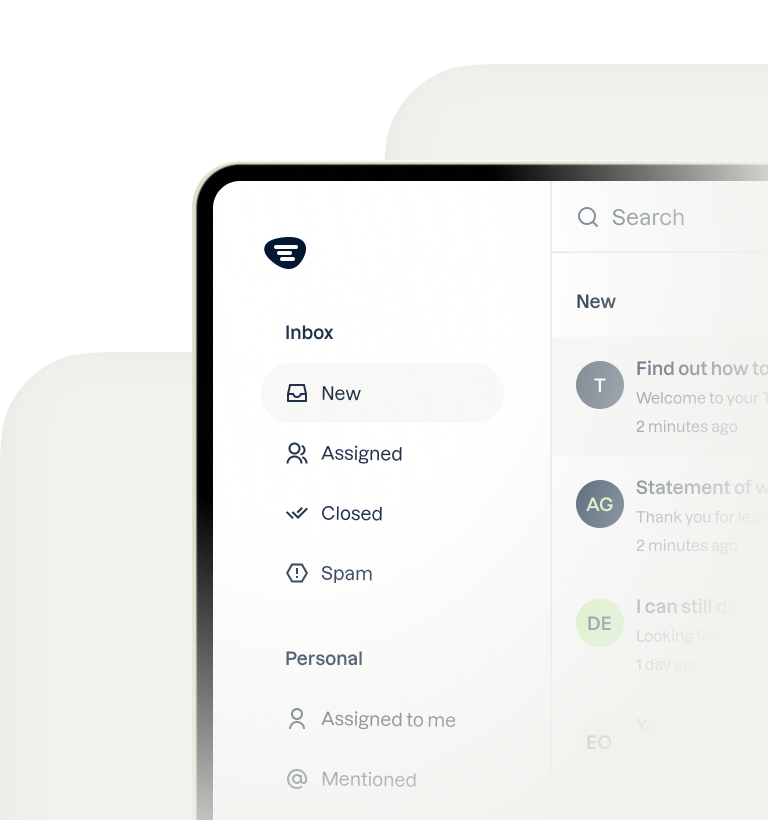
Trengo rassemble WhatsApp, les e-mails, le web, les réseaux sociaux et les appels dans une seule boîte de réception, ce qui fait gagner à ton équipe des heures de boulot répétitif et garantit qu'aucune conversation ne se perd.
Voir Trengo en action
- Intégrations étendues
- Configuration facile
- Structure tarifaire évolutive
Comment transformer le trafic de ton site web en ventes
Résumé
Pour apprendre à transformer le trafic d'un site web en ventes en 2026, il faut opérer un changement radical : passer de sites web passifs à un commerce conversationnel actif. Cet article analyse les raisons pour lesquelles un trafic élevé ne parvient souvent pas à générer de revenus et propose des stratégies éprouvées axées sur l'engagement basé sur l'IA et la communication multicanale. En déployant des agents IA, en unifiant les conversations avec les clients sur différents canaux comme WhatsApp et en simplifiant le parcours d'achat, les entreprises peuvent éliminer les obstacles et augmenter considérablement leurs taux de conversion.
TL;DR
- En 2026, un trafic élevé ne garantit pas les ventes en raison d'un manque d'assistance immédiate et des obstacles rencontrés tout au long du parcours d'achat.
- Les consommateurs d'aujourd'hui s'attendent à obtenir des réponses immédiates et personnalisées à leurs questions, ce qui rend les formulaires de contact traditionnels obsolètes.
- Le déploiement d'agents IA permet une interaction proactive 24 h/24 et 7 j/7 qui guide les visiteurs vers un achat.
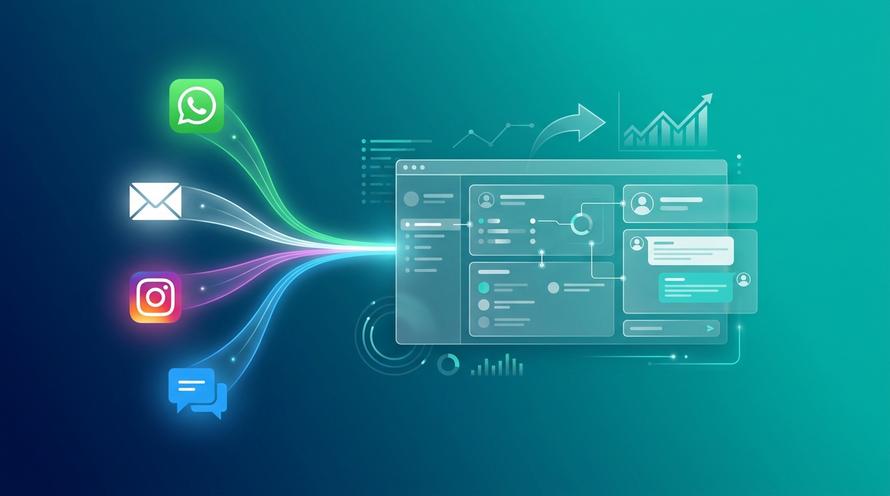
- Regrouper les canaux de communication comme WhatsApp, le chat en ligne et les messages privés sur Instagram au sein d'une seule plateforme comme Trengo permet d'offrir une expérience client fluide.
- Les déclencheurs comportementaux et les stratégies optimisées de capture de prospects permettent d'attirer les utilisateurs très intéressés et de préparer les ventes futures.
- Un processus de paiement fluide, optimisé pour les mobiles et proposant des tarifs transparents est essentiel pour conclure la vente.
Pourquoi un trafic important ne se traduit pas automatiquement par des ventes
Dans le paysage numérique hautement concurrentiel de 2026, de nombreuses entreprises se réjouissent d’un trafic élevé sur leur site web tout en déplorant la stagnation de leur chiffre d’affaires. Le problème fondamental réside dans une mauvaise compréhension de ce que représente le trafic. Le trafic n'est qu'une mesure de la visibilité ; la conversion est un indicateur de l'expérience utilisateur et de l'engagement. Le phénomène « fort trafic, zéro vente » découle de plusieurs failles structurelles dans l'entonnoir de conversion traditionnel des sites web. Alors que le trafic moyen des sites web a augmenté grâce à la mise à l'échelle du contenu pilotée par l'IA, les taux de conversion organique ont chuté pour les sites qui ne proposent pas de points de contact interactifs et conversationnels. Si tu ne parviens pas à convertir efficacement tes visiteurs existants en ventes, générer plus de trafic revient à verser de l'eau dans un seau troué.
Trois facteurs principaux sont à l'origine de ce décalage :
- Absence d'assistance immédiate : les acheteurs d'aujourd'hui n'ont aucune patience face à l'ambiguïté. Lorsque les visiteurs ne trouvent pas de réponses immédiates à des questions essentielles concernant les prix, la livraison ou les caractéristiques des produits, leur envie d'acheter s'évapore en quelques secondes. Ils n'attendront pas 24 heures pour recevoir une réponse par e-mail ; ils iront tout simplement voir chez un concurrent qui leur apporte des réponses claires et immédiates.
- Les obstacles dans le parcours d'achat : chaque étape superflue dans le parcours d'achat est un point de sortie potentiel. Les créations de compte obligatoires, les frais de livraison surprise qui n'apparaissent qu'à la dernière étape et les processus de paiement lourds et interminables génèrent de la frustration et font chuter les conversions. Plus l'utilisateur doit fournir d'efforts, plus le taux d'abandon de panier est élevé.
- Intention non correspondante : tout le trafic n'est pas identique. Certains visiteurs viennent pour s'informer, cherchant à en savoir plus plutôt qu'à acheter immédiatement. Cependant, même ce trafic représente une opportunité précieuse. Sans les bonnes stratégies pour transformer ce trafic en prospects, ces clients potentiels sont perdus dès qu'ils quittent le site.
Des stratégies éprouvées pour transformer les visiteurs de ton site web en clients
Pour transformer les visiteurs de ton site web en clients, il faut aujourd’hui considérer ta présence en ligne comme une véritable vitrine physique. Tu n’ignorerais pas un client qui déambule dans tes rayons ; tu lui demanderais spontanément : « Comment puis-je t’aider aujourd’hui ? » C’est cette même approche proactive et bienveillante qui est désormais la clé du succès en ligne. Cette stratégie repose sur l'engagement omnicanal, qui te permet d'aller à la rencontre des clients selon leurs conditions, de répondre à leurs questions en temps réel et de les guider en toute fluidité vers un achat. En passant d'un site web passif, de type brochure, à une plateforme active et interactive, tu peux transformer l'intérêt des visiteurs en revenus concrets.
Déploie des agents IA pour une interaction immédiate, 24 h/24 et 7 j/7
En 2026, l'IA constitue la première ligne de défense pour cerner les intentions des visiteurs et éviter la perte de prospects. L'époque des chatbots maladroits et frustrants est révolue. Les chatbots et agents virtuels basés sur l'IA d'aujourd'hui utilisent un traitement sophistiqué du langage naturel pour comprendre des requêtes complexes, proposer des recommandations de produits personnalisées et même traiter des transactions directement dans une fenêtre de chat. Imagine un visiteur qui consulte ta page de tarifs à 2 h du matin. Un agent IA peut l'interpeller de manière proactive avec un message du type : « Je vois que tu consultes nos offres pour les entreprises. Souhaites-tu un aperçu rapide des fonctionnalités ? » Cette approche proactive est une tactique fondamentale pour convertir le trafic du site web en ventes. L'agent IA agit comme un représentant du développement commercial (SDR) infatigable, travaillant 24 h/24 et 7 j/7 pour qualifier les visiteurs, répondre aux objections et aborder instantanément les questions précises qui les empêchent de passer à l'achat.
Harmonise l'expérience grâce à la communication multicanal
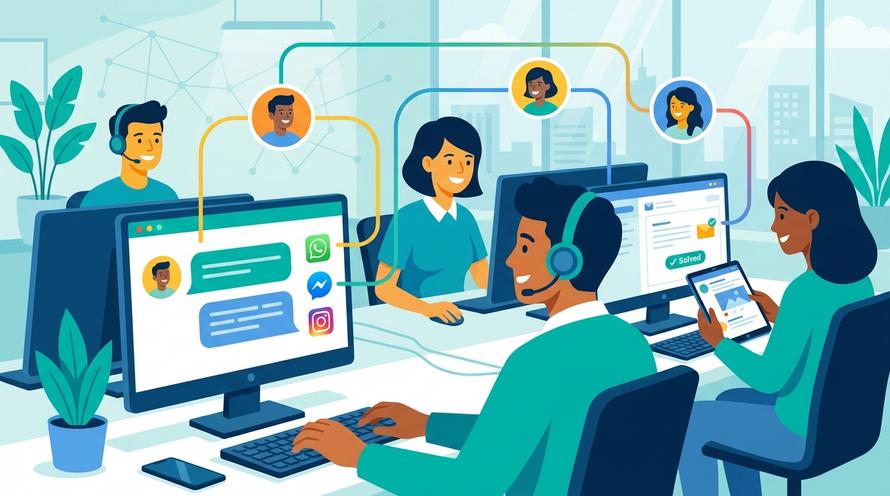
Obliger un visiteur à remplir un formulaire de contact statique est l'un des moyens les plus rapides de perdre une vente potentielle. Pour une entreprise, le moyen le plus efficace de transformer les visiteurs de son site web en clients est d'aller à leur rencontre là où ils se trouvent déjà. Une plateforme comme Trengo permet aux entreprises d'intégrer un widget omnicanal sur leur site web, offrant ainsi aux visiteurs la possibilité d'entamer une conversation via leur canal préféré, qu'il s'agisse de WhatsApp, d'Apple Messages for Business, des messages privés sur Instagram ou d'un chat web classique. Cette approche réduit considérablement les frictions. Par exemple, un client peut entamer une conversation sur ton site web pendant sa pause déjeuner et poursuivre exactement la même conversation de manière fluide sur WhatsApp pendant son trajet de retour à la maison. Ce fil de communication continu garantit que le prospect n'est jamais perdu. Lorsque tes équipes commerciales et d'assistance gèrent toutes ces conversations à partir d'une seule boîte de réception partagée dans Trengo, elles peuvent collaborer en interne, taguer des experts pour les questions techniques et conclure des ventes beaucoup plus rapidement sans avoir à passer constamment d'une application à l'autre.
Utilise des déclencheurs comportementaux pour éliminer les obstacles dans le parcours d'achat
Ton site web ne doit jamais être une expérience passive. Réfléchis bien à ce qui empêche les visiteurs de passer à l'action — qu'il s'agisse d'incertitudes concernant tes tarifs, de doutes sur la livraison ou simplement du fait qu'ils ne savent pas pourquoi ils devraient te choisir plutôt qu'un concurrent. Une fois que tu auras identifié ces points de blocage, tu pourras y remédier directement grâce à des messages ciblés, des garanties claires et des témoignages bien placés qui rassureront les visiteurs au moment opportun.
Développe ta liste de diffusion et de messagerie en offrant une réelle valeur ajoutée
Ne te contente pas d'un simple formulaire d'inscription à la newsletter que personne ne clique. Lie plutôt tes efforts de constitution de liste à quelque chose que les visiteurs veulent vraiment : un guide gratuit, une réduction exclusive, une démo de produit ou un accès en avant-première aux nouveautés. Quand les gens ont l'impression d'obtenir quelque chose qui en vaut la peine en échange, ils sont bien plus disposés à te donner leurs coordonnées, ce qui te permet de les accompagner directement pour les transformer en clients payants au fil du temps
Exploite les déclencheurs comportementaux pour capter les utilisateurs très motivés
Dans la vente en ligne, le timing est essentiel. Envoyer des messages proactifs en fonction du comportement des utilisateurs, c'est la clé pour éviter que les paniers soient abandonnés et pour convaincre les acheteurs indécis. Les déclencheurs comportementaux s'appuient sur l'activité sur le site pour lancer une conversation pertinente au bon moment. Par exemple, si un utilisateur passe plus de 45 secondes sur la page de paiement sans finaliser son achat, ou si son curseur se dirige vers le bouton de fermeture du navigateur, une invite de chat ciblée peut s'afficher. Il ne s'agit pas simplement de pop-ups génériques, mais d'interventions hautement contextuelles. Voici quelques exemples de messages déclenchés efficaces pour 2026 : « Tu hésites encore ? Voici un code de réduction de 10 % valable pendant les 15 prochaines minutes », ou « As-tu besoin d’aide pour calculer les frais de livraison vers ta localité ? ». En anticipant l’hésitation du visiteur et en proposant une solution immédiate, tu peux considérablement améliorer ta capacité à convertir le trafic en ventes. La clé réside dans l’intégration de ces déclencheurs à un chat en direct ou à un agent IA pour garantir que le visiteur soit instantanément mis en relation avec une véritable solution, et pas seulement avec une bannière statique.
Optimise ta stratégie pour transformer ton trafic en prospects
Tous les visiteurs ne sont pas prêts à acheter dès leur première visite, ce qui fait de la collecte de prospects un objectif secondaire essentiel. La stratégie visant à convertir le trafic en prospects est tout aussi importante que celle visant à générer directement des ventes. Les micro-conversions, comme la collecte de coordonnées, ouvrent la voie à de futures macro-conversions. En 2026, les formulaires génériques du type « abonne-toi à notre newsletter » ne sont plus efficaces. Propose plutôt des « lead magnets » interactifs et à forte valeur ajoutée. Par exemple, tu peux inviter les visiteurs à s’inscrire via WhatsApp pour recevoir un rapport personnalisé généré par l’IA, un tutoriel vidéo exclusif ou un catalogue de produits numérique. Une plateforme comme Trengo peut automatiser tout ce processus. Un utilisateur peut envoyer un mot-clé par SMS à un numéro WhatsApp pour recevoir son aimant à prospects, ce qui l’ajoute automatiquement à ton CRM pour de futures campagnes de nurturing et des diffusions promotionnelles, transformant ainsi une visite éphémère en une relation à long terme.
Réduis le sentiment de risque lors du paiement pour conclure la vente
Même l'acheteur le plus motivé peut se raviser au dernier moment. Parmi les préoccupations courantes, on trouve le manque de confiance dans la crédibilité de ton entreprise, des doutes sur la qualité des produits ou des inquiétudes concernant les retours et la livraison. Pour y remédier, mets en avant les avis clients, propose des conditions de remboursement claires, affiche des labels de confiance et présente tes options de livraison bien avant la phase de paiement, afin d'éviter toute mauvaise surprise.
Simplifier le parcours d'achat
Une fois que tu as établi un contact avec un visiteur grâce aux outils de conversation et répondu à toutes ses questions, le processus de paiement final doit être absolument irréprochable. Le moindre accroc à ce stade réduira à néant tous tes efforts. Il est primordial de réduire la charge cognitive. En 2026, les consommateurs s'attendent à ce que les options de paiement en un clic, comme Apple Pay et Google Pay, soient la norme. Les frais cachés sont la première cause d'abandon de panier ; tous les coûts, y compris les frais de livraison et les taxes, doivent donc être transparents et affichés dès le départ. Un agent IA peut même calculer ces coûts de manière dynamique pour l'utilisateur directement dans le widget de chat. Enfin, comme la majorité du trafic web mondial et tout le commerce conversationnel se font sur mobile, ton site doit être parfaitement optimisé. La transition entre un lien de chat et une page de paiement mobile doit se charger en moins de deux secondes, car une vitesse de site insuffisante sabote activement tous tes efforts pour convertir le trafic de ton site en ventes.
Transforme davantage de visiteurs en clients grâce à Trengo
Ne laisse plus passer du trafic précieux sans le convertir. Trengo regroupe toutes tes conversations avec tes clients via WhatsApp, le chat en ligne, les messages privés sur Instagram et bien plus encore en un seul endroit, pour que ton équipe puisse interagir plus rapidement, assurer un suivi plus efficace et conclure davantage de ventes. Essaie Trengo gratuitement dès aujourd'hui.
Questions qu'on se pose souvent (FAQ)
Quel est le taux de conversion du trafic du site web en ventes ?
En 2026, le taux de conversion moyen du commerce électronique à l'échelle mondiale se situera entre 2,5 % et 3 %, tandis que les services B2B haut de gamme pourraient afficher des taux plus proches de 0,5 % à 1 %. Cependant, les entreprises constatent une « poussée significative du commerce conversationnel » lorsqu'elles mettent en œuvre des stratégies conversationnelles proactives. Celles qui utilisent des outils comme les agents IA et l'API WhatsApp Business voient souvent leurs taux de conversion grimper à 5 % ou 6 %. En effet, la couche conversationnelle élimine les frictions et les doutes qui poussent les 97 % restants de visiteurs à partir sans acheter.
Plus de détails

Rencontrons-nous
Développe ton activité grâce à la fidélisation. Rassemble tous tes contacts avec les clients sur une seule et même plateforme pour débloquer l'enchantement à chaque étape.