Che cos'è la personalizzazione nell'e-commerce? Strategie e vantaggi

Prova Trengo gratuitamente

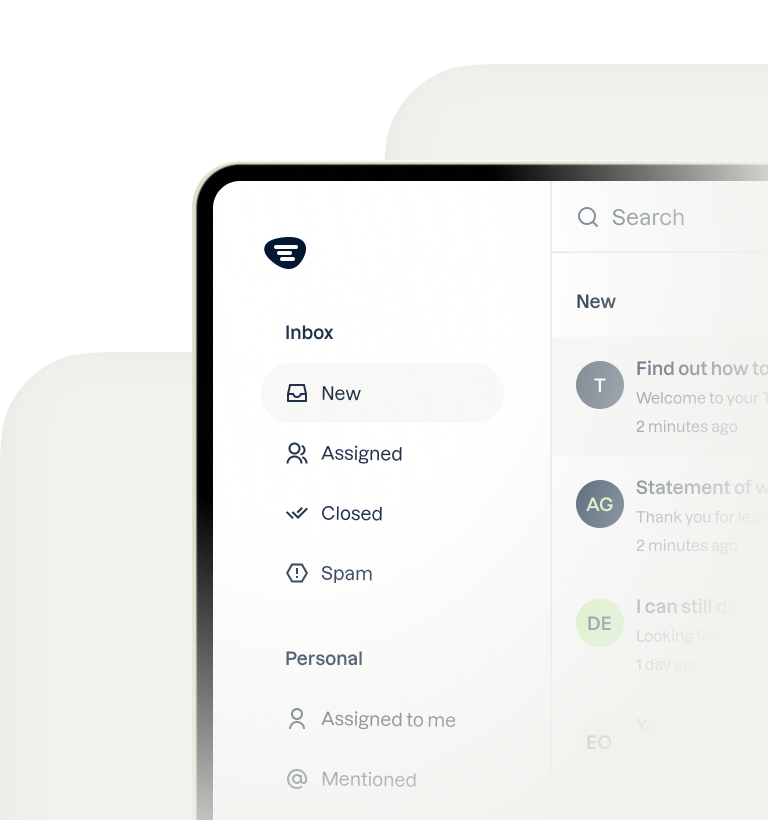
Trengo riunisce WhatsApp, e-mail, web, social media e chiamate in un'unica casella di posta, consentendo al tuo team di risparmiare ore di lavoro ripetitivo e garantendo che nessuna conversazione vada persa.
Guarda Trengo in azione
- Integrazioni estese
- Configurazione semplice
- Struttura dei prezzi scalabile
Che cos'è la personalizzazione nell'e-commerce?
Sommario
Una personalizzazione efficace nell'e-commerce consiste nell'adattare dinamicamente l'intero percorso di acquisto ai singoli utenti sulla base dei loro dati e del loro comportamento. Questo articolo esplora strategie concrete di personalizzazione nell'e-commerce per il 2026, dalla segmentazione intelligente e dai consigli basati sull'intelligenza artificiale alla comunicazione omnicanale unificata. Tratteremo i principali vantaggi, gli esempi concreti e i software indispensabili per creare un'esperienza di e-commerce personalizzata che aumenti le conversioni e rafforzi la fedeltà dei clienti.
TL;DR
- La personalizzazione nell'e-commerce utilizza i dati dei clienti per adattare l'esperienza di acquisto, inclusi i consigli sui prodotti, i contenuti e i messaggi.
- Tra i principali vantaggi figurano tassi di conversione più elevati, un aumento del valore medio degli ordini (AOV) e una maggiore fidelizzazione dei clienti.
- Le strategie principali comprendono la segmentazione della clientela, contenuti dinamici sul sito, consigli basati sull'intelligenza artificiale e una comunicazione omnicanale personalizzata.
- Aziende leader del settore come Amazon e Sephora dimostrano l'efficacia dei motori di raccomandazione e delle esperienze integrate online e offline.
- Una piattaforma di comunicazione unificata è fondamentale per raccogliere dati e garantire interazioni coerenti e personalizzate su tutti i canali.
- Disporre del giusto stack tecnologico, compreso un hub di comunicazione centrale, è fondamentale per attuare la personalizzazione su larga scala.
La personalizzazione nell'e-commerce consiste nel creare esperienze su misura per i visitatori di un negozio online. Ciò comporta la visualizzazione dinamica di contenuti, consigli sui prodotti e offerte specifiche in base al comportamento di navigazione dell'utente, alla cronologia degli acquisti, ai dati demografici e ad altre informazioni personali. Nel 2026, questo approccio andrà ben oltre il semplice utilizzo del nome del cliente in un'e-mail. Si tratterà di comprendere le sue intenzioni e le sue esigenze in tempo reale, per rendere il suo percorso di acquisto il più pertinente e fluido possibile. I clienti moderni non solo apprezzano, ma si aspettano questo livello di attenzione; gli studi dimostrano costantemente che la maggior parte dei consumatori è più propensa ad acquistare da marchi che offrono un'esperienza di e-commerce personalizzata.
Personalizzazione vs. Adattamento su misura: qual è la differenza?
È facile confondere questi due termini, ma la distinzione è importante. La personalizzazione viene effettuata dal sistema per conto dell'utente. Ad esempio, quando l'algoritmo di Amazon ti mostra prodotti "ispirati alla tua cronologia di navigazione", si tratta di personalizzazione. Il sistema sta adattando in modo proattivo l'esperienza alle tue esigenze. La personalizzazione, invece, viene effettuata dall'utente. Questo accade quando un cliente configura un laptop con più RAM, sceglie un colore specifico per una maglietta o imposta le proprie preferenze di comunicazione. In breve, la personalizzazione è automatizzata e predittiva, mentre la personalizzazione è manuale e guidata dall'utente.
I principali vantaggi di un'esperienza di e-commerce personalizzata
L'adozione di una solida strategia di personalizzazione nell'e-commerce garantisce notevoli vantaggi alla tua attività. L'importanza della personalizzazione nell'e-commerce non sta solo nel far sentire speciali i clienti, ma anche nel generare risultati concreti per l'azienda. Ecco i principali vantaggi:
- Aumento dei tassi di conversione e del valore medio degli ordini (AOV): mostrando ai clienti prodotti che potrebbero interessarli, si riducono gli ostacoli nel processo di acquisto e si facilita il clic su "aggiungi al carrello". Inoltre, le proposte di cross-selling e up-selling pertinenti aumentano naturalmente il valore medio degli ordini (AOV).
- Maggiore fidelizzazione e ritenzione dei clienti: un'esperienza di e-commerce personalizzata fa sentire i clienti compresi e apprezzati. Questo legame emotivo crea fiducia e trasforma gli acquirenti occasionali in clienti abituali, meno propensi a rivolgersi alla concorrenza.
- Migliore esperienza del cliente: la personalizzazione aiuta i clienti a trovare più rapidamente ciò che cercano. Elimina il disordine di un catalogo prodotti troppo vasto, creando un'esperienza di acquisto più fluida e piacevole che li spinge a tornare.
- Migliore individuazione dei prodotti: i motori di raccomandazione possono far conoscere ai clienti prodotti che altrimenti non avrebbero mai scoperto. Questo non solo aumenta le vendite, ma ti aiuta anche a smaltire una gamma più ampia del tuo magazzino.
Strategie di personalizzazione nell'e-commerce
Per creare un'esperienza davvero personalizzata è necessario un approccio a più livelli. Ecco alcune delle migliori strategie di personalizzazione nell'e-commerce che puoi mettere in atto per coinvolgere i clienti e stimolare la crescita nel 2026.
Sfruttare la segmentazione intelligente della clientela
Una personalizzazione efficace parte dalla consapevolezza che il proprio pubblico non è un blocco monolitico. La segmentazione della clientela è il processo che consiste nel suddividere la propria base clienti in gruppi in base a caratteristiche comuni. Sebbene la segmentazione demografica e geografica rappresentino utili punti di partenza, il vero valore aggiunto risiede nella segmentazione comportamentale. Raggruppare gli utenti in base ad azioni quali: nuovi visitatori vs. visitatori abituali, clienti che spendono molto, frequenza degli acquisti recenti o coloro che abbandonano il carrello, consente di personalizzare i messaggi e le offerte con incredibile precisione.
Implementare contenuti dinamici e personalizzazione sul sito
Il tuo sito web non dovrebbe apparire sempre uguale a tutti i visitatori. I contenuti dinamici ti consentono di modificare ciò che gli utenti vedono sul tuo sito in base al loro segmento o al loro comportamento. Ciò può includere banner personalizzati sulla home page per dare il benvenuto a un cliente abituale, finestre pop-up che offrono uno sconto a chi visita il sito per la prima volta o un widget "articoli visualizzati di recente" per consentire agli acquirenti di riprendere facilmente da dove avevano interrotto. In questo modo si crea un'esperienza di navigazione fluida e pertinente per ogni singolo utente.
Potenzia il tuo business con i consigli sui prodotti basati sull'intelligenza artificiale
Si tratta di una classica strategia di personalizzazione e di un pilastro fondamentale dell'e-commerce moderno. Grazie all'intelligenza artificiale, è possibile automatizzare suggerimenti di prodotti altamente pertinenti. Tra i tipi di raccomandazioni più comuni figurano "chi ha acquistato questo articolo ha acquistato anche", "sulla base della tua cronologia di navigazione" e "prodotti di tendenza nella tua zona". Si tratta di un'applicazione fondamentale dell'IA nella personalizzazione dell'e-commerce, che aiuta i clienti a scoprire prodotti che ameranno. Per dare un'occhiata più da vicino alle tecnologie disponibili, esplora alcuni dei migliori strumenti di IA per i negozi di e-commerce presenti sul mercato.
Personalizza le e-mail e la comunicazione omnicanale
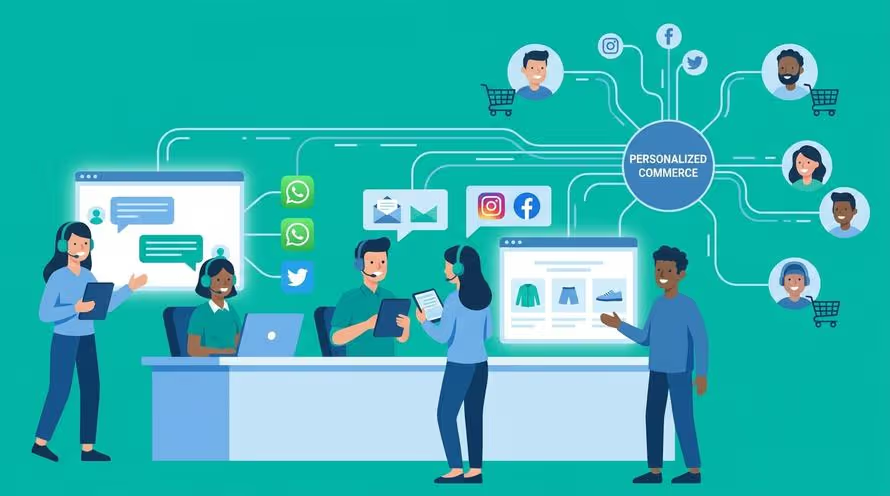
La personalizzazione deve andare oltre il tuo sito web. È attraverso la tua strategia di comunicazione che puoi costruire relazioni profonde e durature. Ciò include l'invio di promemoria personalizzati sui carrelli abbandonati con gli articoli specifici lasciati nel carrello, follow-up post-acquisto che offrono consigli sull'uso di un nuovo prodotto e messaggi promozionali mirati. È fondamentale notare che oggi i clienti interagiscono su una vasta gamma di canali, dall'e-mail e WhatsApp ai messaggi diretti su Instagram. Per fornire un messaggio coerente e personalizzato, è necessaria una visione unificata di tutte queste conversazioni. È qui che la casella di posta omnicanale di Trengo diventa essenziale, centralizzando ogni interazione per fornirti il contesto necessario per una vera personalizzazione omnicanale.
Offri prezzi e sconti personalizzati
Per un livello più avanzato di commercio personalizzato, valuta la possibilità di adattare i prezzi e le promozioni. Può trattarsi semplicemente di inviare un codice sconto speciale a un cliente affezionato nel giorno del suo compleanno o di offrire uno sconto di benvenuto esclusivo a un nuovo visitatore proveniente da una specifica campagna di marketing. Questi gesti dimostrano che presti attenzione al percorso individuale del cliente e possono rivelarsi molto efficaci nel favorire le conversioni e nel creare un clima di fiducia.
Esempi concreti di personalizzazione
Il modo migliore per comprendere il potere della personalizzazione è vederla all'opera. Questi marchi rinomati hanno definito lo standard di riferimento per un'esperienza personalizzata di alto livello.
Amazon: il maestro dei motori di raccomandazione
Amazon è senza dubbio il pioniere della personalizzazione su larga scala nell'e-commerce. Il suo motore di raccomandazione è leggendario: analizza enormi quantità di dati – dagli acquisti passati e dalla cronologia di navigazione agli articoli nel carrello – per alimentare le sezioni "Consigliati per te" e "Spesso acquistati insieme". Questa costante attenzione nel proporre prodotti pertinenti è uno dei fattori chiave del suo successo.
Netflix: personalizzazione dell'intera interfaccia utente
Pur essendo un servizio in abbonamento, il modello di personalizzazione di Netflix è un vero e proprio esempio da seguire per qualsiasi attività online. Non si limita a consigliare cosa guardare, ma personalizza l'intera interfaccia utente. Sulla base della cronologia di visione, Netflix mostra persino miniature diverse per lo stesso film o la stessa serie, per verificare quale immagine sia più efficace nel convincerti a cliccare su "Riproduci". Ciò dimostra una comprensione profonda e dinamica delle preferenze degli utenti.
Sephora: un'esperienza omnicanale senza soluzione di continuità
Sephora eccelle nel colmare il divario tra lo shopping online e quello in negozio. Attraverso il suo programma fedeltà Beauty Insider, collega la cronologia di navigazione online, le liste dei desideri e gli acquisti passati dei clienti con la loro attività in negozio. Ciò consente a Sephora di offrire suggerimenti sui prodotti altamente pertinenti e offerte mirate su tutti i canali di contatto, dall'app mobile alle consulenze di persona, rafforzando l'efficacia di una strategia omnicanale unificata.
Software di personalizzazione per l'e-commerce
L'attuazione di queste strategie richiede la tecnologia adeguata. Non esiste uno strumento unico in grado di fare tutto; le aziende si affidano invece a un "tech stack" composto da software specializzati per offrire un'esperienza personalizzata a 360 gradi.
Lo stack tecnologico per la personalizzazione
Una tipica infrastruttura di personalizzazione per l'e-commerce comprende diverse categorie di strumenti che operano in sinergia. I motori di personalizzazione on-site (come Dynamic Yield) vengono utilizzati per modificare i contenuti del sito web in tempo reale. I motori di raccomandazione dedicati (come Nosto) si concentrano specificamente sull'alimentazione dei widget di suggerimento dei prodotti. Infine, le piattaforme di dati dei clienti (CDP) vengono utilizzate per raccogliere e unificare i dati dei clienti provenienti da più fonti, al fine di creare un unico profilo cliente coerente.
Il ruolo centrale delle piattaforme di comunicazione
Anche gli strumenti on-site più sofisticati risulteranno insufficienti se la comunicazione con i clienti è generica e frammentata. Ogni ticket di assistenza, richiesta su WhatsApp, messaggio sui social media ed e-mail rappresenta una ricca fonte di dati e un'opportunità di personalizzazione. Ecco perché una piattaforma di comunicazione centralizzata non è solo una componente dello stack: è il motore che lo alimenta. Una piattaforma come Trengo riunisce tutte le conversazioni con i clienti provenienti da ogni canale in un'unica vista unificata. Questo fornisce ai tuoi team di assistenza e marketing il contesto necessario per intrattenere conversazioni ricche e personali che rafforzano la fedeltà. Quando la personalizzazione è integrata nella tua comunicazione, diventa una parte fondamentale delle tue strategie di marketing e-commerce complessive.
Con la giusta configurazione delle comunicazioni, puoi anche migliorare l'esperienza dei clienti del tuo e-commerce con Trengo, creando conversazioni più rapide e pertinenti in ogni punto di contatto con il cliente.
Il percorso verso una personalizzazione efficace nell'e-commerce è un processo continuo, alimentato da una profonda comprensione dei tuoi clienti. Unificando tutte le conversazioni, otterrai le informazioni necessarie per soddisfare le loro aspettative in ogni occasione. Sei pronto a trasformare ogni conversazione con i clienti in un'esperienza personalizzata? Scopri come la casella di posta intelligente di Trengo può aiutarti a unificare la tua comunicazione e a soddisfare i tuoi clienti. Inizia oggi stesso la tua prova gratuita.
Domande frequenti (FAQ)

La personalizzazione viene effettuata dal sistema per conto del cliente. Ad esempio, un negozio online consiglia automaticamente dei prodotti in base al comportamento di navigazione. La personalizzazione viene invece effettuata dal cliente, ad esempio nella scelta del colore, della taglia o del materiale di un prodotto, oppure delle preferenze di comunicazione.
L'intelligenza artificiale è in grado di analizzare il comportamento dei clienti, i modelli di acquisto e i dati relativi al coinvolgimento per fornire consigli sui prodotti più accurati, messaggi mirati e assistenza in tempo reale. Aiuta i marchi di e-commerce a personalizzare le esperienze su larga scala senza dover modificare manualmente ogni singolo percorso del cliente.
I software di personalizzazione per l'e-commerce possono includere motori di raccomandazione dei prodotti, piattaforme di dati sui clienti, strumenti di personalizzazione sul sito, piattaforme di email marketing e piattaforme di comunicazione omnicanale. Insieme, questi strumenti aiutano le aziende a raccogliere informazioni sui clienti e a offrire esperienze più pertinenti lungo l'intero percorso di acquisto.
Altri simili


Incontriamoci
Fai crescere la tua attività con la fedeltà. Riunisci tutti i contatti dei tuoi clienti in un'unica piattaforma per garantire la massima soddisfazione in ogni fase del percorso.