La chat live aumenta le conversioni? Vantaggi, svantaggi e buone pratiche


Prova Trengo gratuitamente

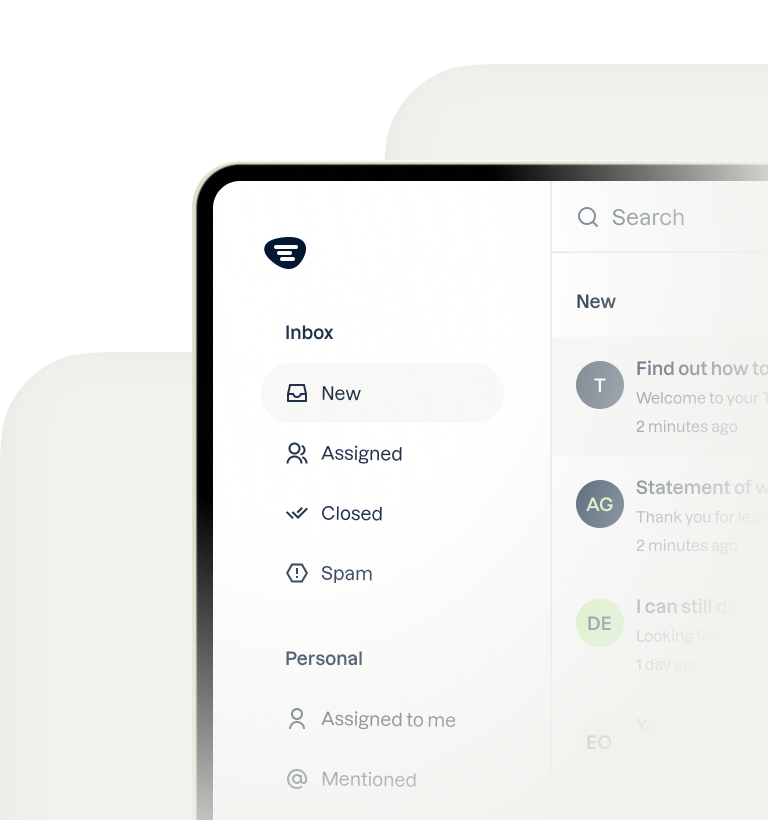
Trengo riunisce WhatsApp, e-mail, web, social media e chiamate in un'unica casella di posta, consentendo al tuo team di risparmiare ore di lavoro ripetitivo e garantendo che nessuna conversazione vada persa.
Guarda Trengo in azione
- Integrazioni estese
- Configurazione semplice
- Struttura dei prezzi scalabile
La chat live aumenta le conversioni? La guida del 2026 per incrementare le vendite
Sì, la live chat aumenta decisamente le conversioni. Nel frenetico panorama dell’e-commerce del 2026, un sito web statico non è più sufficiente per soddisfare le aspettative dei consumatori in termini di commercio interattivo e in tempo reale. Mentre indirizzare traffico verso il proprio sito è costoso, ottimizzare l’esperienza sul sito è il modo più conveniente per generare ricavi. I consumatori moderni si aspettano risposte in pochi secondi, non in minuti. L'implementazione di una soluzione strategica di live chat per l'e-commerce funge da equivalente digitale di un esperto assistente alle vendite in negozio, coinvolgendo proattivamente i clienti nel momento in cui mostrano esitazione o hanno bisogno di una guida, trasformando efficacemente i visitatori in acquirenti.
Sommario
Alla domanda fondamentale se la live chat aumenti le conversioni, la risposta è un sì categorico, soprattutto nel panorama dell’e-commerce del 2026. Questo articolo analizza il legame diretto tra il commercio conversazionale e il fatturato, supportandosi su statistiche chiave e strategie concrete. Spieghiamo in dettaglio come sfruttare l’automazione e la comunicazione multicanale per ridurre l’abbandono del carrello, aumentare il valore medio degli ordini e superare gli svantaggi tipici dei sistemi di chat tradizionali, unificando tutti i punti di contatto con i clienti in un’unica piattaforma efficiente.
TL;DR
- La chat live aumenta direttamente le conversioni nell'e-commerce fornendo risposte in tempo reale e riducendo gli ostacoli all'acquisto.
- Nel 2026 i consumatori si aspettano risposte immediate, rendendo la chat live una necessità per garantire un'esperienza cliente competitiva.
- L'automazione e l'intelligenza artificiale gestiscono le richieste più comuni 24 ore su 24, 7 giorni su 7, consentendo agli operatori umani di concentrarsi sulle conversazioni di vendita ad alto valore aggiunto.
- Un approccio multicanale che riunisca la chat del sito web, WhatsApp e i messaggi diretti sui social media è fondamentale per cogliere tutte le opportunità di vendita.
- Monitorare indicatori chiave come i tassi di conversione dalla chat alla vendita è fondamentale per ottimizzare la tua strategia e dimostrare il ritorno sull'investimento.
- Le piattaforme moderne come Trengo risolvono gli svantaggi delle chat tradizionali centralizzando tutte le comunicazioni in un'unica casella di posta condivisa.
Il legame diretto tra il commercio conversazionale e il fatturato
Il legame tra il commercio conversazionale e il fatturato affonda le sue radici nella psicologia e nell’efficienza operativa. Nel 2026, l’acquirente moderno ha pochissima pazienza; qualsiasi intoppo nel percorso d’acquisto porta all’abbandono del carrello. Tra i motivi più comuni dell’abbandono figurano costi di spedizione imprevisti, dubbi sulle taglie dei prodotti o piccoli problemi tecnici. Una strategia di chat di conversione intercetta queste esitazioni in tempo reale. Quando un cliente ha una domanda, non deve lasciare la pagina del prodotto per cercare un modulo di contatto o inviare un'e-mail nel vuoto. Ottiene una risposta istantanea, mantenendo vivo lo slancio dell'acquisto e la sua attenzione sul pulsante di checkout. Questa è l'essenza dell'acquisto senza attrito.
Inoltre, questo approccio proattivo trasforma una semplice navigazione passiva in un ciclo di vendita attivo. Immaginate un potenziale cliente che si sofferma su una pagina di un prodotto di alto valore per oltre 30 secondi. Una finestra di chat proattiva che chiede: «Ha domande sulle caratteristiche o sulle taglie?» può essere il catalizzatore che dà il via a una vendita. Gli agenti esperti possono quindi utilizzare questa interazione per fornire consigli personalizzati, effettuando in modo efficace l'upselling o il cross-selling di prodotti correlati. Questo non solo aumenta le conversioni, ma incrementa anche in modo significativo il valore medio dell'ordine (AOV). Ciò segna il passaggio fondamentale dall'assistenza clienti reattiva, che risolve i problemi dopo che si sono verificati, al supporto proattivo alle vendite, che previene i problemi e crea opportunità di guadagno prima ancora che il cliente pensi di andarsene.
Statistiche chiave sulla chat live che daranno impulso all'e-commerce nel 2026
I dati dimostrano in modo innegabile che investire nella tecnologia della live chat garantisce un ottimo ritorno sull'investimento. Le statistiche previste per il 2026 illustrano chiaramente come il «conversational commerce» influisca direttamente sui profitti sia delle aziende di vendita al dettaglio B2C che di quelle SaaS B2B. Ecco i dati chiave che guidano le strategie di e-commerce:
- Riduzione dell'abbandono del carrello: i negozi di e-commerce che attivano un messaggio di chat proattivo durante la fase di checkout possono ridurre l'abbandono del carrello fino al 35%. Rispondere alle domande dell'ultimo minuto relative alla spedizione o al pagamento è uno degli utilizzi più efficaci della chat live.
- Aumento del tasso di conversione: i visitatori del sito web che interagiscono con un marchio tramite la chat live hanno una probabilità 4,5 volte maggiore di effettuare una conversione rispetto a quelli che non lo fanno. La possibilità di ottenere chiarimenti immediati contribuisce a creare la fiducia necessaria per effettuare un acquisto.
- Aumento del valore medio degli ordini: i clienti che utilizzano la live chat prima di effettuare un acquisto tendono a spendere, in media, il 60% in più rispetto a quelli che non lo fanno. Ciò è il risultato diretto della capacità degli operatori di proporre vendite aggiuntive, vendite incrociate e consigliare prodotti premium.
- Maggiore fidelizzazione dei clienti: secondo le stime, l'82% dei clienti che ha avuto un'esperienza positiva con la live chat è più propenso a tornare e a effettuare un nuovo acquisto. Questo contatto immediato e personale favorisce una forte fedeltà al marchio.
Queste statistiche sulla live chat del 2026 riflettono un cambiamento radicale nel comportamento dei consumatori. I clienti non si limitano più a chiedere «Dov’è il mio ordine?», ma utilizzano ormai la chat per consulenze pre-vendita, chiedendo «Quale di questi due modelli è più adatto alle mie esigenze specifiche?». Questa evoluzione rende la live chat un canale di vendita fondamentale, non solo uno strumento di assistenza.
Come aumentare il tasso di conversione con strategie di chat efficaci
Il semplice fatto di aggiungere un pulsante di chat live al proprio sito web non è una strategia; è solo un punto di partenza. Molte aziende installano un widget di chat ma poi non lo ottimizzano, ottenendo risultati deludenti e clienti insoddisfatti. Per trasformare la vostra funzione di chat di base in un motore di conversione ad alte prestazioni, avete bisogno di una metodologia tattica. La metrica più importante da padroneggiare nel 2026 è il Time to First Response (TTFR). I consumatori di oggi si aspettano una risposta in meno di 30 secondi. Se ci vuole più tempo, c'è il rischio che chiudano la scheda. Raggiungere questa velocità richiede una combinazione di automazione intelligente e flussi di lavoro efficienti del team. Un altro elemento cruciale è l'instradamento contestuale. Un approccio generico del tipo "Come posso aiutarti?" è ormai superato. Il tuo sistema deve essere abbastanza intelligente da indirizzare una domanda sui prezzi direttamente al team di vendita, mentre una segnalazione di bug su un link non funzionante viene inviata al supporto tecnico, assicurando che il cliente raggiunga sempre l'esperto giusto al primo tentativo.
Sfrutta l'automazione dell'assistenza clienti per ottenere risposte immediate
Nel 2026, garantire un'assistenza 24 ore su 24, 7 giorni su 7, senza costi generali eccessivi sarà impossibile senza l'automazione. Tuttavia, un' efficace automazione dell'assistenza clienti non consiste nel creare menu di chat robotici e frustranti. Si tratta piuttosto di utilizzare un agente AI intelligente e flussi di lavoro ottimizzati per gestire istantaneamente l'80% delle richieste ripetitive e ad alto volume. Domande come "Spedite in Australia?" o "Qual è la vostra politica di reso?" possono e devono ricevere una risposta immediata da un bot, di giorno o di notte. Quando questi piccoli intoppi vengono eliminati immediatamente, l'acquirente prosegue il percorso di acquisto senza alcun ritardo.
La strategia più efficace è l'approccio ibrido. Un chatbot o un flowbot avvia la conversazione, risponde alle domande di base e qualifica il lead. Se la richiesta è semplice, il bot la risolve e il cliente è soddisfatto. Se la richiesta è complessa o indica un'elevata intenzione di acquisto, ad esempio una domanda sui prezzi all'ingrosso, il bot trasferisce senza soluzione di continuità l'intera cronologia della conversazione all'agente umano appropriato. Ciò garantisce che gli esperti umani dedichino il loro tempo prezioso a concludere affari di alto valore, anziché rispondere alle stesse domande più e più volte.
Monitorare le prestazioni utilizzando un foglio Excel per il monitoraggio in tempo reale del tasso di conversione
Ciò che viene misurato può essere gestito. Per comprendere appieno il ROI della tua strategia di chat, devi monitorarne l'impatto sulle vendite. Sebbene le piattaforme moderne offrano strumenti di analisi integrati, molti responsabili dell'e-commerce ritengono utile esportare i dati in un foglio Excel dedicato al monitoraggio del tasso di conversione in tempo reale, per integrarli con KPI aziendali più generali provenienti da strumenti come Google Analytics 4. Creare un foglio di monitoraggio di base è semplice e fornisce informazioni preziose. Crea un foglio di calcolo con le seguenti colonne:
- Colonna A: Totale sessioni di chat
- Colonna B: Chat che hanno portato a una vendita (puoi monitorare questo dato tramite sondaggi post-chat o integrando il sistema con il tuo CRM)
- Colonna C: Tasso di conversione
Nella cella C2, utilizza la formula =B2/A2*100 per calcolare il tasso di conversione della chat in percentuale. Monitorando questo indicatore su base settimanale, potrai testare diversi messaggi proattivi, script per gli agenti e regole di instradamento per individuare quali generano le migliori prestazioni. Questo approccio basato sui dati è fondamentale per dimostrare agli stakeholder il valore delle tue iniziative di conversational commerce e per ottimizzare continuamente la tua strategia.
Adotta un approccio multicanale per aumentare le conversioni sui social media
Allora, come aumentare le conversioni sui social media? Nel 2026, la risposta è trattare i messaggi diretti sui social media con la stessa urgenza e professionalità con cui gestisci la live chat del tuo sito web. Il social commerce non è più una nicchia; è un canale di vendita primario. Quando un potenziale cliente commenta la tua pubblicità su Instagram, risponde a una storia su TikTok o invia un messaggio al tuo numero WhatsApp Business, la sua intenzione di acquisto è incredibilmente alta. Sta cercando attivamente informazioni per prendere una decisione di acquisto, e una risposta lenta o mancata è una vendita persa garantita.
La sfida, tuttavia, sta nel fatto che è quasi impossibile gestire manualmente più piattaforme social senza che alcuni messaggi vadano persi. Ogni piattaforma ha una propria casella di posta, le proprie notifiche e la propria interfaccia. Questa frammentazione crea silos informativi e rende difficile per i team rispondere in modo rapido e coerente. Questo caos operativo non solo comporta una perdita di ricavi dovuta a opportunità di vendita mancate, ma danneggia anche la percezione del marchio quando i clienti più interessati vengono ignorati.
La realtà del commercio conversazionale: pro e contro
Per elaborare una strategia sostenibile, è fondamentale comprendere tutti gli aspetti legati all'implementazione di una soluzione di live chat. Una visione equilibrata e obiettiva contribuisce a creare fiducia e autorevolezza in materia, riconoscendo le sfide concrete e mettendo in evidenza i vantaggi concreti. Affrontando apertamente i pro e i contro, potrete prendere una decisione consapevole e implementare un sistema che si adatti perfettamente al vostro modello di business e alla struttura del vostro team.
Quali sono i vantaggi della chat live?
I vantaggi di una strategia di live chat ben implementata sono notevoli e incidono direttamente sia sul fatturato che sui rapporti con i clienti. Concentrandosi sui benefici economici e relazionali, le ragioni commerciali a favore del commercio conversazionale diventano evidenti.
- Risoluzione immediata delle esitazioni all'acquisto: la chat live elimina i dubbi in tempo reale, rispondendo alle domande su prodotti, spedizioni o condizioni di vendita nel momento stesso in cui sorgono, evitando così l'abbandono del carrello.
- Valore medio degli ordini (AOV) più elevato: gli operatori qualificati sono in grado di proporre in modo intelligente prodotti complementari e correlati in base alle esigenze del cliente, portando così a acquisti più consistenti rispetto a quelli che il cliente avrebbe effettuato autonomamente.
- Maggiore fidelizzazione dei clienti e aumento del valore del ciclo di vita (LTV): offrire un'assistenza immediata, personalizzata e utile crea un'esperienza cliente memorabile, favorendo la fidelizzazione e incoraggiando la fidelizzazione a lungo termine.
- Efficienza in termini di costi e scalabilità: un singolo operatore dell'assistenza è in genere in grado di gestire 4-5 conversazioni via chat contemporaneamente, un livello di efficienza impossibile da raggiungere con l'assistenza telefonica, dove il rapporto è sempre uno a uno.
Quali sono gli svantaggi della chat live?
Sebbene i vantaggi siano notevoli, è importante essere onesti riguardo ai potenziali punti critici degli strumenti di live chat tradizionali e ormai obsoleti. Riconoscere questi svantaggi è il primo passo per risolverli con un approccio moderno.
- Esaurimento delle risorse: l'aspettativa di una disponibilità 24 ore su 24, 7 giorni su 7 può rapidamente logorare i team di piccole dimensioni e portare al burnout degli operatori se non gestita con automazione e pianificazione intelligenti.
- Informazioni frammentate: quando i dati delle chat del sito web non sono integrati con quelli delle e-mail, di WhatsApp e dei messaggi diretti sui social media, gli operatori non dispongono di una cronologia completa del cliente. Ciò comporta un'esperienza cliente frammentata e impersonale.
- Tempi di risposta lenti: una chat live con personale insufficiente o gestita male spesso incide negativamente sulle conversioni più di quanto non farebbe l'assenza totale di una chat. Una chat "live" che impiega 10 minuti per fornire una prima risposta danneggia attivamente la percezione e la fiducia dei clienti.
È fondamentale sottolineare che questi "svantaggi" non sono difetti intrinseci del concetto stesso di chat live. Si tratta piuttosto dei sintomi derivanti dall'utilizzo di widget di chat obsoleti e monocanale. Questi problemi sono del tutto risolvibili adottando una piattaforma di comunicazione unificata e multicanale, progettata per le realtà dell'e-commerce del 2026.
Unifica la tua strategia di e-commerce per la chat live con Trengo
Una volta stabilito che la chat live aumenta in modo significativo le conversioni, che i social media rappresentano un canale fondamentale e che la frammentazione delle caselle di posta è la causa principale dei fallimenti, la soluzione appare chiara. La chiave per sfruttare appieno il potenziale di fatturato del commercio conversazionale sta nel centralizzare ogni interazione con il cliente. Trengo è la piattaforma creata proprio per risolvere questa sfida, trasformando una comunicazione multicanale caotica in un processo snello, efficiente e incentrato sulle conversioni.
Centralizza le conversazioni in una casella di posta condivisa multicanale
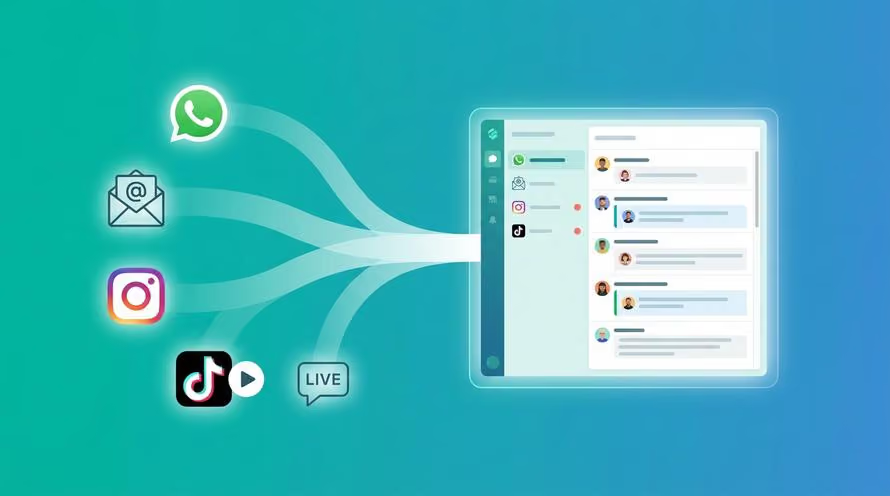
Il punto di forza principale di Trengo risiede nella sua capacità di mettere ordine nel caos delle comunicazioni nell'e-commerce moderno. Invece di avere un membro del team connesso alla chat del sito web, un altro che controlla i messaggi diretti su Instagram e un terzo che monitora l'account WhatsApp Business, la casella di posta omnicanale di Trengo raccoglie ogni singolo messaggio dei clienti proveniente da ogni canale in un unico spazio di lavoro unificato e collaborativo. Questo cambia radicalmente il modo in cui opera il tuo team e l'esperienza che i tuoi clienti hanno del tuo marchio.
Questa centralizzazione offre vantaggi immediati e tangibili. Innanzitutto, consente una collaborazione senza soluzione di continuità all’interno del team. Un operatore che sta gestendo una domanda complessa su un prodotto può semplicemente taggare (@mention) un esperto di prodotto all’interno dell’azienda per ottenere una risposta in pochi secondi, il tutto senza uscire dalla chat né far attendere il cliente. In secondo luogo, crea una visione unificata del cliente. Quando un cliente avvia una chat, l'operatore può vedere immediatamente la sua cronologia completa, inclusa un'e-mail di assistenza della settimana scorsa e un messaggio WhatsApp di ieri. Questo contesto consente un servizio iper-personalizzato che fa sentire i clienti compresi e apprezzati, aumentando notevolmente la probabilità di una conversione. È ora di smettere di perdere vendite a causa di caselle di posta scollegate. Scopri tu stesso come la centralizzazione dei tuoi canali aumenterà istantaneamente i tuoi tassi di conversione nell'e-commerce.
Domande frequenti
La chat live fa aumentare le vendite?
Sì, la chat live aumenta direttamente le vendite. Fornendo risposte immediate alle domande sui prodotti, offrendo consigli personalizzati ed eliminando gli ostacoli nella fase di checkout, le aziende registrano costantemente un aumento significativo sia dei tassi di conversione che del volume complessivo delle vendite. È statisticamente dimostrato che i clienti che interagiscono tramite chat spendono di più e hanno un valore di vita più elevato rispetto a quelli che non lo fanno.



Incontriamoci
Fai crescere la tua attività con la fedeltà. Riunisci tutti i contatti dei tuoi clienti in un'unica piattaforma per garantire la massima soddisfazione in ogni fase del percorso.