Blog

Servizio clienti
RCS vs. SMS: in che modo la messaggistica avanzata migliora l'esperienza del cliente
RCS vs. SMS: in che modo la messaggistica avanzata migliora l'esperienza del cliente


Prova Trengo gratuitamente

Trengo riunisce WhatsApp, e-mail, web, social media e chiamate in un'unica casella di posta, consentendo al tuo team di risparmiare ore di lavoro ripetitivo e garantendo che nessuna conversazione vada persa.
Guarda Trengo in azione
- Integrazioni estese
- Configurazione semplice
- Struttura dei prezzi scalabile
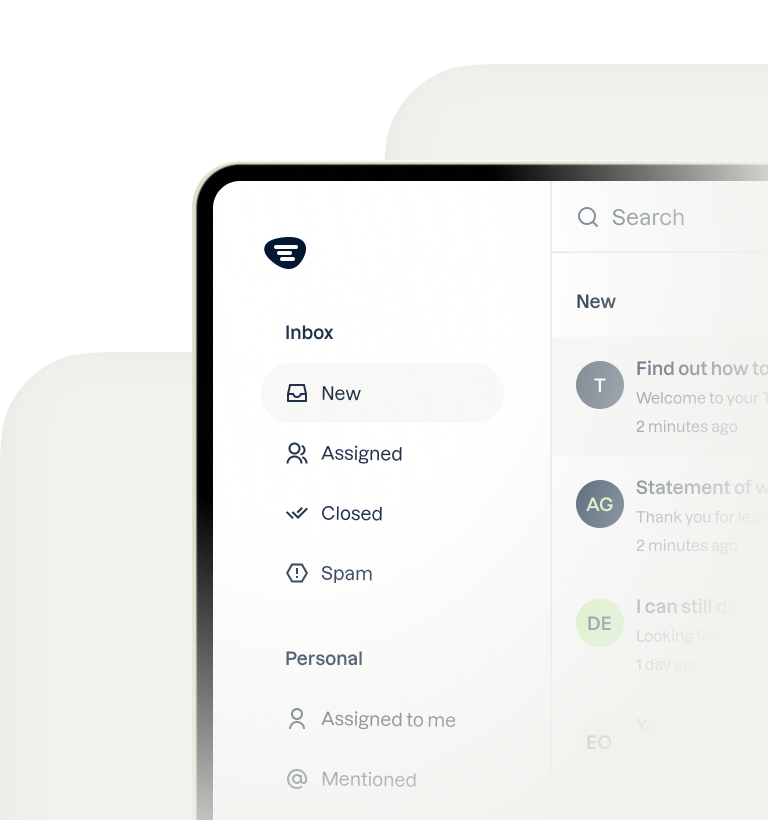
RCS vs. SMS: in che modo la messaggistica avanzata migliora l'esperienza del cliente
Sommario
Questo articolo analizza le differenze fondamentali nel dibattito tra RCS e SMS, mettendo in evidenza come i Rich Communication Services (RCS) stiano rivoluzionando la comunicazione aziendale. Confronteremo le caratteristiche di ciascun protocollo di messaggistica, spiegheremo i vantaggi significativi derivanti dall'uso dei messaggi RCS per il coinvolgimento dei clienti e dimostreremo perché le aziende devono adeguarsi a questo nuovo standard. Infine, capirai come sfruttare l'RCS insieme ai canali tradizionali attraverso una piattaforma unificata per migliorare il servizio clienti e incrementare le vendite nel 2026.
TL;DR
- L'RCS (Rich Communication Services) è la versione aggiornata degli SMS, che offre funzionalità simili a quelle delle app, come contenuti multimediali ad alta risoluzione, conferme di lettura e pulsanti interattivi.
- Il servizio SMS (Short Message Service) rimane universalmente compatibile e affidabile, il che lo rende una soluzione di riserva indispensabile per garantire la consegna dei messaggi.
- La differenza fondamentale tra RCS e SMS è l'interattività; l'RCS trasforma gli avvisi unidirezionali in conversazioni bidirezionali.
- L'adozione dell'RCS da parte di Apple nel 2024, con una piena integrazione prevista entro il 2026, lo sta rendendo uno standard di messaggistica davvero universale sia su Android che su iPhone.
- Le aziende possono utilizzare l'RCS per aumentare il coinvolgimento, instaurare un rapporto di fiducia grazie a profili verificati e offrire esperienze più coinvolgenti ai clienti.
- Piattaforme come Trengo consentono alle aziende di gestire RCS, SMS, WhatsApp ed e-mail da un'unica casella di posta omnicanale.
Che cos'è l'SMS e perché è ancora importante?
L'SMS, acronimo di Short Message Service, è il protocollo standard per la messaggistica di testo che da oltre vent'anni costituisce un pilastro fondamentale della comunicazione mobile. Le sue caratteristiche principali sono il limite di 160 caratteri, la funzionalità esclusivamente testuale e il funzionamento tramite reti cellulari, il che significa che non richiede una connessione a Internet. Il principale punto di forza degli SMS risiede nella loro compatibilità universale; praticamente ogni telefono cellulare al mondo è in grado di inviare e ricevere un messaggio SMS. Questa universalità, unita a tassi di apertura quasi perfetti, garantisce che rimangano uno strumento potente e affidabile per la comunicazione aziendale. Sebbene privi di funzionalità moderne, gli SMS non stanno scomparendo; al contrario, fungono ora da base essenziale e a prova di errore accanto alla loro controparte più avanzata, l'RCS.
Che cos'è l'RCS Messaging e cosa comporta per le aziende?
L'RCS, o Rich Communication Services, è il protocollo di messaggistica mobile di nuova generazione, progettato specificamente per sostituire gli SMS. Cosa comporta quindi un messaggio RCS per la tua azienda? Significa trasformare un semplice SMS in un'esperienza ricca, interattiva e simile a quella di un'app, recapitata direttamente nell'app di messaggistica nativa del cliente. Le funzionalità chiave che le aziende possono sfruttare includono la condivisione di foto e video ad alta risoluzione, la visualizzazione delle conferme di lettura e degli indicatori di digitazione, nonché la creazione di profili aziendali personalizzati con logo e stato di mittente verificato. Ancora più importante, la messaggistica RCS supporta caroselli interattivi, risposte rapide suggerite e pulsanti cliccabili. Questo eleva la messaggistica da un semplice strumento di notifica a una piattaforma di conversazione dinamica dove i clienti possono sfogliare prodotti, fissare appuntamenti e ottenere assistenza senza mai uscire dalla conversazione.
RCS vs. SMS: un confronto diretto
Comprendere il confronto diretto tra RCS e SMS è fondamentale per qualsiasi azienda che intenda migliorare la propria strategia di comunicazione con i clienti. Sebbene entrambi servano a trasmettere messaggi, le loro funzionalità e l'esperienza che offrono sono agli antipodi. La seguente analisi evidenzia le differenze chiave che contano di più nelle interazioni tra aziende e clienti.
Tabella comparativa delle caratteristiche: RCS, SMS e MMS
Per fornire una panoramica chiara, ecco un confronto tra i tre principali protocolli di messaggistica in base alle caratteristiche essenziali. Questo confronto mette in evidenza il notevole passo avanti rappresentato dall'RCS.
- Supporto multimediale: gli SMS contengono solo testo. Gli MMS consentono di inviare immagini e video a bassa risoluzione. L'RCS supporta immagini ad alta risoluzione, video, GIF, file audio e persino la condivisione di file.
- Limite di caratteri: come è noto, gli SMS sono limitati a 160 caratteri. Gli MMS estendono tale limite a circa 1.000 caratteri. L'RCS aumenta notevolmente il limite a 8.000 caratteri per messaggio.
- Conferme di lettura e indicatori di digitazione: né gli SMS né gli MMS supportano queste funzionalità. L'RCS offre entrambe, fornendo un feedback in tempo reale sulla lettura del messaggio e sulla composizione di una risposta.
- Branding: con gli SMS e gli MMS, i messaggi provengono da un numero di telefono anonimo. L'RCS consente di creare un profilo mittente verificato, completo di logo aziendale, nome del marchio e colori personalizzati, instaurando immediatamente un clima di fiducia.
- Interattività: gli SMS e gli MMS sono limitati al testo semplice e ai collegamenti ipertestuali. L'RCS introduce elementi ricchi e interattivi come i caroselli di prodotti, i pulsanti di risposta suggerita e l'integrazione con il calendario.
- Requisiti di connessione: gli SMS e gli MMS utilizzano la rete cellulare. L'RCS funziona tramite Wi-Fi o dati mobili, ricorrendo agli SMS/MMS in caso di assenza di connessione a Internet.
Media e interattività: un'esperienza coinvolgente
La differenza fondamentale tra RCS e SMS è il passaggio da una semplice trasmissione unidirezionale a una conversazione bidirezionale ricca di contenuti. Immaginate una compagnia aerea che invia un promemoria per il check-in. Con gli SMS, si tratta di un semplice messaggio di testo con un link. Con un messaggio RCS, la compagnia aerea può inviare un messaggio personalizzato contenente una carta d'imbarco con codice QR, una mappa interattiva del terminal e pulsanti per "Cambiare posto" o "Aggiungere bagaglio" direttamente all'interno della chat. Questa funzionalità simile a quella di un'app elimina gli attriti e migliora notevolmente l'esperienza del cliente.
Coinvolgimento e analisi dei dati: conosci il tuo cliente
Per le aziende, i dati forniti da RCS rappresentano una vera e propria rivoluzione. Le conferme di lettura e gli indicatori di digitazione offrono informazioni preziose sul coinvolgimento dei clienti. È possibile verificare se un cliente ha visualizzato un aggiornamento importante o un'offerta promozionale. Nel contesto dell'assistenza, un operatore può vedere se un cliente sta digitando attivamente una risposta, il che porta a conversazioni più efficienti e naturali. Questo livello di feedback, impossibile da ottenere con gli SMS, consente alle aziende di comprendere meglio il comportamento dei clienti e di ottimizzare le proprie strategie di comunicazione per aumentare il loro coinvolgimento.
Sicurezza: l'RCS è più sicuro degli SMS?
La sicurezza è un fattore chiave di differenziazione. I messaggi SMS non sono crittografati e sono altamente vulnerabili alle intercettazioni. L'RCS offre un notevole miglioramento in termini di sicurezza. Il protocollo garantisce la crittografia client-server e l'implementazione dell'RCS da parte di Google nella sua app Messaggi offre una crittografia end-to-end completa per le conversazioni private. Ciò rende l'RCS un canale notevolmente più sicuro per la trasmissione di informazioni aziendali e dei clienti sensibili rispetto al protocollo SMS tradizionale.
La questione iPhone: RCS contro SMS su Android e iOS
Per anni, il principale ostacolo all'adozione dell'RCS è stata la divisione tra "bolla verde" e "bolla blu" tra Android e iPhone. L'RCS è da tempo lo standard sui dispositivi Android grazie a Google Messages. La svolta epocale è avvenuta nel 2024, quando Apple ha iniziato a implementare il supporto per il Profilo Universale RCS su iOS. Con la piena integrazione prevista entro il 2026, questa mossa sta di fatto abbattendo il "giardino recintato". Presto, le funzionalità ricche e interattive dell'RCS funzioneranno senza soluzione di continuità tra gli utenti Android e iPhone, rendendolo il nuovo standard universale per la messaggistica mobile moderna.
I vantaggi dell'RCS: migliorare il servizio clienti e le vendite
L'adozione di RCS non serve solo a inviare messaggi più accattivanti, ma anche a ottenere risultati concreti per l'azienda. Collegando le funzionalità avanzate agli indicatori chiave di prestazione, le aziende possono fornire argomenti convincenti a favore di un aggiornamento della propria strategia di messaggistica.
Crea esperienze simili a quelle delle app senza bisogno di un'app
Molti clienti sono riluttanti a scaricare un'app dedicata per ogni azienda con cui interagiscono. L'RCS consente di offrire funzionalità avanzate — come sfogliare un catalogo prodotti, prenotare un appuntamento o monitorare un ordine — direttamente dall'app di messaggistica nativa. Ciò riduce gli ostacoli per i clienti, aumenta l'accessibilità e incrementa le probabilità di conversione.
Aumenta il coinvolgimento e i tassi di conversione
Gli elementi interattivi favoriscono naturalmente un maggiore coinvolgimento. Un'azienda di e-commerce può inviare un promemoria relativo a un carrello abbandonato con un carosello di prodotti scorrevole e un pulsante "Acquista ora". Un hotel può inviare un sondaggio post-soggiorno con valutazioni a stelle cliccabili. Queste funzionalità interattive rendono più facile per i clienti compiere un'azione, portando a tassi di conversione significativamente più elevati rispetto a un semplice SMS di testo contenente un link.
Conquistare la fiducia dei clienti grazie a messaggi aziendali verificati
In un'epoca in cui lo spam e il phishing dilagano, la fiducia è fondamentale. Il profilo RCS Verified Business, che mostra il nome ufficiale del marchio, il logo e un segno di spunta di verifica, offre ai clienti un'immediata rassicurazione. Essi sanno di comunicare con un'azienda legittima e non con un truffatore. Questa fiducia è la base per costruire relazioni con i clienti più solide e di maggior valore.
Come utilizzare la messaggistica RCS per coinvolgere i tuoi clienti
La versatilità di RCS offre un'ampia gamma di applicazioni pratiche in diversi settori. Ecco alcuni esempi concreti per ispirare la vostra strategia.
Per l'e-commerce
Non limitarti alle semplici conferme d'ordine. Utilizza l'RCS per inviare promemoria interattivi sui carrelli abbandonati, con una galleria di immagini degli articoli lasciati nel carrello. Invia aggiornamenti dettagliati sulla spedizione con una mappa di tracciamento in tempo reale e un pulsante per "Riprogrammare la consegna". Semplifica la procedura di reso consentendo ai clienti di avviare la procedura di reso e ricevere un'etichetta di spedizione con codice QR direttamente nella chat.
Per il settore dei viaggi e dell'ospitalità
Migliora l'intera esperienza di viaggio. Le compagnie aeree possono inviare carte d'imbarco interattive con informazioni sul gate e avvisi sullo stato del volo. Gli hotel possono inviare un messaggio di benvenuto con un pulsante per "Visualizzare il menu del servizio in camera" o "Richiedere altri asciugamani". Al termine del soggiorno, è possibile inviare un questionario interattivo di feedback, consentendo agli ospiti di condividere facilmente la propria esperienza. Una piattaforma come Trengo può fungere da strumento di coinvolgimento dei clienti per le aziende dei settori dei viaggi, dell'ospitalità e del tempo libero.
Per l'assistenza clienti
Semplifica le interazioni con l'assistenza e risolvi i problemi più rapidamente. Utilizza le risposte predefinite per aiutare i clienti a classificare autonomamente i propri problemi prima ancora di parlare con un operatore. Condividi istruzioni dettagliate per la risoluzione dei problemi con guide video ad alta risoluzione. Consenti ai clienti di confermare o riprogrammare gli appuntamenti tramite i pulsanti del calendario, riducendo così le mancate presentazioni e gli oneri amministrativi.
Come Trengo potenzia la tua strategia di comunicazione con i clienti
Adottare un nuovo canale come l'RCS può sembrare un'impresa ardua, soprattutto quando il tuo team si occupa già di e-mail, chat live e WhatsApp. È proprio in questi casi che una piattaforma centralizzata diventa indispensabile. La casella di posta omnicanale intelligente di Trengo funge da hub centrale che riunisce tutte le conversazioni con i clienti in un'unica vista collaborativa.
Con Trengo, il tuo team può gestire senza soluzione di continuità un messaggio RCS, un'e-mail e un messaggio diretto sui social media provenienti dallo stesso cliente all'interno di un unico thread di conversazione. Ciò evita il cambio di contesto e garantisce un'esperienza cliente fluida e coerente. Inoltre, Trengo è molto più di una semplice casella di posta in arrivo; è una delle migliori piattaforme di coinvolgimento dei clienti disponibili. Fornisce al tuo team potenti strumenti di automazione, tra cui regole e chatbot, per gestire le richieste di routine e ottimizzare i flussi di lavoro. Integrando l'RCS in Trengo, non stai semplicemente aggiungendo un altro canale: stai potenziando la tua intera strategia di comunicazione con i clienti per renderla più efficiente, coinvolgente e intelligente.
Domande frequenti

Per conversazioni ricche, sicure e interattive con funzionalità moderne, l'RCS è di gran lunga superiore. Tuttavia, gli SMS rimangono fondamentali come soluzione di ripiego universale per garantire la consegna dei messaggi su qualsiasi telefono cellulare, indipendentemente dalle sue capacità o dallo stato della connessione. Per le aziende, la strategia ideale consiste nell'utilizzare l'RCS per un'esperienza migliorata e fare affidamento sugli SMS come sistema di sicurezza.
Di solito è possibile disattivare le funzioni RCS, spesso indicate come "Funzioni chat", dalle impostazioni dell'app di messaggistica predefinita del telefono. In questo modo tutti i messaggi verranno inviati come SMS/MMS standard. Tuttavia, per un'esperienza di messaggistica ottimale e più sicura, si consiglia generalmente di lasciare l'RCS attivato.
Gli svantaggi principali sono stati la necessità di una connessione a Internet (Wi-Fi o dati mobili) e la storica frammentazione nella diffusione tra i vari operatori e dispositivi. Tuttavia, grazie alla recente adozione da parte di Apple e all'ampio supporto di rete, questa frammentazione sta rapidamente diventando un ricordo del passato.
Sebbene l'RCS sia il successore designato degli SMS, è improbabile che li sostituisca completamente nell'immediato futuro. Gli SMS continueranno a fungere da protocollo di riserva universale per anni, garantendo che i messaggi possano sempre essere inviati e ricevuti, anche in zone con scarsa connessione a Internet o su dispositivi più vecchi non compatibili con l'RCS.
Sì, i messaggi RCS vengono trasmessi tramite Wi-Fi o rete mobile, proprio come altri servizi di messaggistica basati su IP, quali iMessage o WhatsApp. Se non è disponibile una connessione dati, la maggior parte dei telefoni tenterà automaticamente di inviare il messaggio come SMS o MMS standard.
Altri simili



Incontriamoci
Fai crescere la tua attività con la fedeltà. Riunisci tutti i contatti dei tuoi clienti in un'unica piattaforma per garantire la massima soddisfazione in ogni fase del percorso.